
Bubble Wrap Insulation Material: Everything You Need to Know
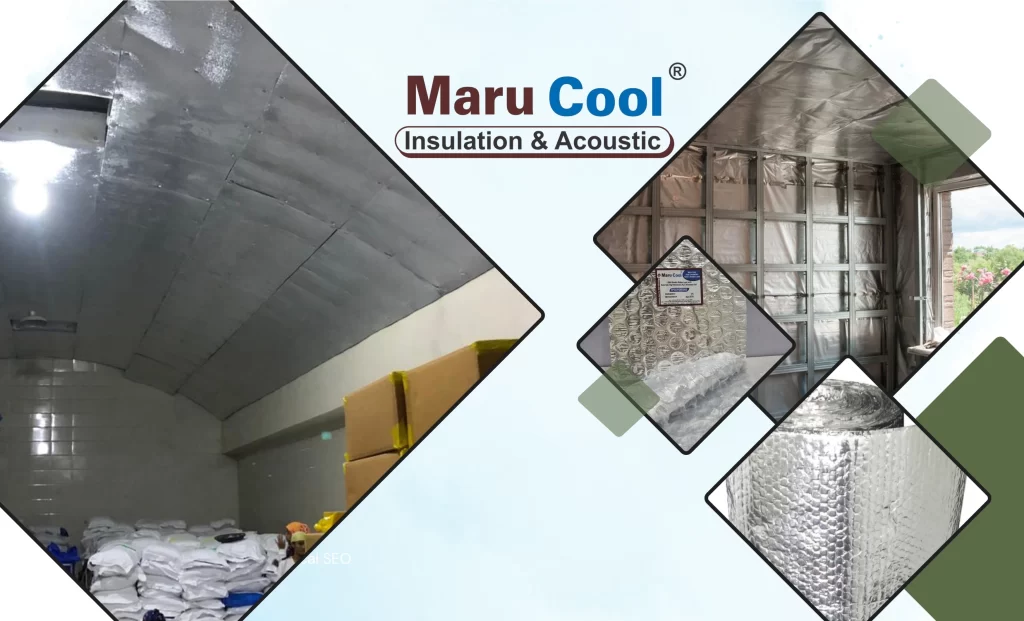
Introduction
Bubble wrap insulation material is rapidly becoming the preferred choice for industries, factories, and small businesses dealing with intense heat in metal buildings and sheds. If you’ve stepped inside a tin-roof warehouse during summer, you know how unbearable the heat gets, and how it sharply raises energy bills. That’s where bubble wrap insulation makes a difference.
Unlike bulky, hard-to-install traditional insulation, bubble wrap insulation sheets are lightweight, affordable, and highly effective at reflecting heat. Think of it as a smart barrier that stops heat from entering while lowering energy use. In this guide, we’ll explain what bubble wrap insulation is, how it works, and why it offers a practical solution for your space.
Learning Objectives
By the end of this blog, you will:
- Understand what bubble wrap insulation material is and how it functions.
- Discover the main benefits of using air bubble insulation sheets in industrial and commercial settings.
- Compare bubble wrap insulation with traditional options like foam and fiberglass.
- Learn practical applications and basic installation steps for bubble insulation rolls.
What is Bubble Wrap Insulation Material?
Bubble wrap insulation also known as bubble wrap thermal insulation, foil bubble insulation, or reflective bubble insulation, is a modern insulation material designed to improve energy efficiency in homes, commercial buildings, and various other spaces.
In the simplest terms, bubble wrap insulation is a material made by combining one or more layers of small, air-filled plastic bubbles with a layer of reflective foil. The bubbles are usually sandwiched between thin sheets of high strength polyethylene while the layer of foil is applied to one or both sides.
Structure

- Bubble Layer: Core of bubble wrap insulation is the bubble layer, made of durable plastic. These bubbles create tiny air pockets that act as a cushion to slow down the movement of heat. This trapped air acts as an effective insulator, reducing heat transfer by both conduction (heat traveling through materials) and convection (heat moving through air).
- Foil Layer: A highly reflective Aluminium foil layer is laminated to both sides of the bubble layer. The main job of this foil is to reflect radiant heat, preventing it from entering or leaving the space. When sunlight or a heat source hits the foil, most of the energy bounces away rather than passing through.
By combining a simple structure, air bubbles with reflective foil bubble wrap insulation has become a reliable, affordable, and effective solution for better temperature control in buildings.
How Does Bubble Wrap Insulation Work?
The unique combination of air-filled bubbles and reflective foil makes bubble wrap insulation effective at controlling all three forms of heat transfer:
- Conduction: The air bubbles slow the direct flow of heat through materials.
- Convection: The bubble layer disrupts air movement, reducing heat transfer via moving air.
- Radiant Heat: The foil reflects radiant energy, keeping interiors cooler in summer and warmer in winter.
Let’s breakdown of the science and why it’s so effective:

1. Air Bubbles Provide Thermal Resistance
Air-filled bubbles trap heat, slowing conduction. They keep interiors cooler in summer and warmer in winter by reducing unwanted heat transfer.
2. Reflective Foil Repels Radiant Heat
Aluminum foil reflects up to 97% radiant heat. It blocks sunlight in summer and bounces warmth back in winter, enhancing thermal comfort.
3. Multipurpose Barrier: Blocks Moisture and Controls Sound
Acts as a vapor barrier to prevent condensation. Also reduces noise slightly, creating a drier, quieter, and more comfortable environment.
4. Lightweight, Flexible, and Easy to Use
Thin, lightweight, and easy to install anywhere walls, roofs, attics, garages, sheds, ducts, or windows making it a versatile, cost-effective insulation solution.
Key Benefits of Bubble Wrap Insulation Sheets
Today industrial spaces face constant challenges that are uncontrolled heat, rising energy costs, moisture build-up, and demanding installation timelines. This is where bubble insulation sheets and aluminium foil bubble wrap gets in. These sheets are constructed for performance in tough environments, industrial bubble insulation offers the combination of thermal resistance, energy savings, durability, and weather protection. Here mentioned core benefits that make it the go-to choice for factories, warehouses, metal buildings and other industries

Reduces Heat in Metal Buildings & Factories
Metal buildings and industrial sheds often become unbearably hot due to direct sun exposure. Bubble insulation sheets act as a shield, reducing heat transfer through air pockets and reflective foil layers. By bouncing radiant energy away, aluminium foil bubble wrap keeps indoor temperatures more stable, ensuring a more comfortable environment for workers and safeguarding machinery from overheating.
Energy Efficiency & Lower Electricity Bills
When facilities rely heavily on cooling systems, energy costs can skyrocket. Industrial bubble insulation minimizes heat gain, reducing the strain on air conditioners and HVAC systems. This not only cuts electricity bills but also improves overall energy efficiency, making operations more sustainable without compromising comfort.
Lightweight, Durable & Easy to Install
Unlike bulky insulation, bubble insulation sheets are lightweight yet highly durable. Their flexible structure allows quick installation in roofs, walls, or ducts without requiring specialized tools. Contractors and facility managers prefer aluminium foil bubble wrap because it delivers long-lasting performance while saving time and labor during setup.
Moisture & Weather Resistance
Factories and warehouses often struggle with condensation, especially on metal surfaces. Industrial bubble insulation doubles as a vapor barrier, blocking moisture buildup and preventing rust, mold, or product damage. Its weather-resistant properties ensure reliable performance in diverse climates, making it a practical choice for long-term protection.
Common Applications of Bubble Wrap Insulation Material
Bubble wrap insulation, also known as bubble wrap roof insulation, bubble insulation rolls, or among the best insulation sheets, offers versatile solutions across various industries and building types. Its unique combination of air bubble layers and reflective foil makes it ideal for multiple applications where thermal control and moisture resistance are essential.

Roof Heat Insulation for Factories & Warehouses
One of the most common and effective uses of bubble wrap insulation is as roof heat insulation for large industrial buildings such as factories and warehouses.
- These facilities often have large metal roofs that absorb and transmit heat quickly, leading to extreme temperature swings inside.
- Installing bubble wrap roof insulation or bubble insulation rolls under these roofs reflects radiant heat, helping maintain cooler temperatures during hot weather and reducing the load on HVAC systems.
- The lightweight and flexible nature of bubble wrap insulation makes it easy to install over expansive roof surfaces without adding significant weight or bulk, making it a top choice for industrial energy efficiency upgrades.
Wall & Shed Insulation
Bubble wrap insulation is also widely used for insulating walls and sheds.
- It serves as an effective thermal barrier when applied to interior or exterior surfaces of walls, especially in sheds, garages, and outbuildings that often lack traditional insulation.
- Using bubble insulation rolls here offers an affordable and quick solution, especially where space constraints make thicker traditional insulation impractical.
- The reflective foil layer also protects against moisture buildup on walls, reducing the risk of mold and structural damage.
Cold Storage & Packaging Uses
Beyond building insulation, bubble wrap insulation finds valuable applications in cold storage and packaging industries.
Its lightweight, flexible, and shock-absorbing qualities make these best insulation sheets an ideal choice for protecting temperature-sensitive products effectively.
In cold storage facilities, the reflective and insulating properties of bubble wrap help maintain consistent temperatures, protecting sensitive goods from temperature fluctuations.
The same material is commonly used in packaging as bubble wrap thermal insulation, preventing heat loss or gain during transport to keep perishable items fresh.
Bubble Wrap Insulation vs. Traditional Insulation
When looking at options such as bubble wrap roof insulation, bubble insulation rolls or even looking around for the best insulation sheets, it is very important to know the difference between bubble wrap insulation and other conventional insulation materials. This knowledge will help you to choose the most effective and efficient option for your project.
What Is Traditional Insulation?
Traditional insulation materials include:
- Fiberglass batts or rolls: Usually used in walls and ceilings, high R-value.
- Mineral wool: Comes from natural or recycled materials and is usually heavier and more resistant to moisture.
- Foam board insulation sheets: Flexible, but have superior thermal resistance; prefer over rigid panels.
These options are widely available as insulation sheets, making them a standard choice in many homes and buildings.
Bubble Wrap Insulation: Modern Solution for Roofs and More
- Bubble wrap insulation, especially in bubble insulation rolls, is designed for fast, easy installation on roofs, attics, garages, sheds, and ductwork.
- Composed of a layer (or multiple layers) of air-filled bubbles sandwiched between highly reflective foil, bubble wrap insulation offers a unique set of advantages specifically for roof insulation and space-restricted applications.
Comparison Bubble Wrap Insulation vs. Traditional Insulation
| Feature | Bubble Wrap Roof Insulation / Rolls | Traditional Insulation Sheets |
| Structure | Air bubbles + reflective foil sheets/rolls | Fiberglass/mineral wool/foam panels |
| Installation | Lightweight, cut-to-fit, stapled or glued | Bulkier, needs precise fit, sometimes messier |
| Key Function | Blocks radiant heat, reflects sun’s rays | Slows heat transfer (conduction) |
| Best Use | Roofs, attics, garages, ducts, metal buildings | Walls, ceilings, floors |
| Thickness | Thin, space-saving | Thickest for higher R-value |
| Moisture Barrier | Excellent, foil layer prevents condensation | Needs separate vapor barrier in most cases |
| Maintenance | Easy, rarely attracts mold/insects | Can collect dust, sometimes moisture |
| Cost | Affordable, especially in large rolls | Varies by type, often higher for foam |
Advantages of Bubble Wrap Insulation Sheets & Rolls
- Rapid and DIY-Friendly: Bubble insulation rolls can be quickly rolled out and installed on rooftops and attic floors, saving labor costs and time.
- Reflective Barrier: The best bubble wrap roof insulation sheets reflect radiant heat, which is crucial for hot climates or metal roofs, reducing attic temperatures and lowering AC bills.
- Moisture Protection: The built-in foil layer acts as a vapor barrier, helping prevent roof condensation and water damage.
- Space-Saving: Because bubble insulation rolls are thin and flexible, they’re ideal for tight spaces where thick insulation sheets won’t fit.
When to Choose Bubble Wrap Over Traditional Sheets
If your top priority is bubble wrap roof insulation that installs easily, blocks radiant heat, and fits well in tight or irregular spaces, bubble insulation rolls or reflective bubble insulation sheets may be the best insulation sheets for your needs. For maximum year-round energy savings, some homeowners combine bubble wrap roof insulation with traditional materials: bubble insulation as the exterior/radiant layer and batts or foam boards for core thermal resistance.
How to Install Bubble Wrap Insulation Sheets?
Bubble wrap insulation material is installed under the deck. Two ways bubble wrap is installed is are:
By Removing the Sheets (Over-deck installation)
Best when constructing new roofs or during major repairs, ensures maximum efficiency.
In this method, the existing roof sheets are removed, and the bubble wrap insulation is placed directly under them before re-installation. This ensures maximum heat reflection and complete coverage without any gaps. The benefit is that it provides better insulation efficiency, blocks radiant heat effectively, and is highly durable in the long run.
From Below the Roof (Under-deck installation)
Best for existing factories/warehouses, ensures quick installation without downtime.
Here, the bubble wrap insulation material is fixed beneath the existing sheets without removing them. This method is faster, cost-effective, and doesn’t interrupt daily operations in factories or warehouses. The benefit is that it provides instant relief from heat, reduces installation time, and is budget-friendly compared to over-deck installation.
A simple, step-by-step DIY guide for how to install bubble insulation and bubble insulation rolls installation to improve your space’s energy efficiency.
Safety Precautions
- Wear gloves to avoid plastic cuts or irritation.
- Use goggles to protect eyes when cutting or stapling.
- Ensure your ladder is stable and on level ground.
- Work in a well-ventilated area to avoid breathing in dust or adhesives.
Step-by-Step Installation Guide
- Measure the Area
Use a measuring tape to calculate the dimensions of walls, roofs, or areas where you plan to install the bubble insulation rolls or sheets. - Cut Bubble Wrap Insulation to Size
Mark the measured dimensions on the roll or sheet using a marker and ruler. Cut carefully with a utility knife or scissors. - Prepare the Surface
Clean the wall, roof, or surface area to remove dust, dirt, or moisture for better adhesion and stapling. - Position the Bubble Wrap Insulation
Place the insulation so the foil side faces the heat source (usually outward for walls and roofs). Align it snugly against the surface without gaps. - Attach the Insulation
- For walls or flat surfaces, use a staple gun to fasten the bubble wrap insulation sheets or rolls at regular intervals (about every 6-8 inches) along the edges and center.
- Alternatively, use strong double-sided tape or specialized adhesive for smoother finishes.
- Seal the Seams
Overlap adjacent sheets by at least 2 inches to avoid gaps. Seal the joints with foil tape or duct tape to create a continuous thermal barrier and prevent air leaks. - Check and Finish
Ensure the whole area is covered without wrinkles or gaps. Trim any excess with scissors for a clean edge.
Installation Tips for Best Results
- Always install bubble insulation with the reflective foil layer facing the heat source to maximize radiant heat reflection.
- Use multiple layers if possible to increase thermal resistance.
- Avoid compressing the insulation, as trapped air pockets provide the insulating effect.
- Combine with traditional insulation for extreme climates for better energy efficiency.
Installing bubble wrap insulation is easy and quick, in terms of affordability it improves temperature control in homes, sheds, garages, workshops or any other spaces. With just a few basic tools and some careful measuring, bubble insulation rolls installation can be an effective DIY project, saving energy and reducing your bills.
Conclusion
The best option of bubble wrap insulation material is that it provides an economical alternative that balances performance and ease of application. It resists heat, moisture and energy without heavy lifting or costly upgrades. Whether you’re constructing a warehouse roof, insulating primitive walls or adding on storage conditions, bubble insulation sheets provide long lasting effects with little effort.
By knowing the application and science of bubble wrap insulation materials, you will be able to make decisions that will save energy, reduce costs and improve working conditions. Bubble wrap insulation sheets from Maru Cool are an excellent choice for consistent performance in all industries.
Key Takeaways
- Bubble wrap insulation uses air bubbles and reflective foil layers to effectively reduce heat transfer.
- It suits factories, warehouses, sheds, and cold storage facilities perfectly.
- Compared to traditional insulation, it is lighter, more affordable, and easier to install.
- It boosts energy efficiency, cuts electricity bills, and enhances comfort in industrial spaces.
Frequently Asked Questions
A. Yes, bubble wrap insulation effectively reduces heat transfer by trapping air and reflecting radiant heat, keeping spaces cooler in summer and warmer in winter.
A. Yes, bubble wrap insulation works well for metal sheds by reducing heat buildup and moisture, improving comfort and energy efficiency.
A. Yes, bubble insulation can lower electricity bills by improving temperature control and reducing HVAC energy use in buildings.
A. Bubble insulation typically lasts 10–20 years, depending on installation quality and exposure to weather or physical damage.