
HVAC INSULATION MANUFACTURER IN INDIA
HVAC Insulation for Ducts, Chilled Water and Refrigerant Pipes
Need to reduce unwanted heat gain, manage condensation risk or maintain temperature across your HVAC system?
MaruCool provides application-specific XLPE foam and nitrile rubber insulation solutions for HVAC ducts, chilled-water lines, refrigerant pipes and selected equipment surfaces.
Share your operating conditions, dimensions and project specification. Our team will help identify a suitable material, format and insulation requirement for your application.
HVAC Air Ducts
Chilled-Water Pipes
Refrigerant Lines
Commercial and Industrial Projects
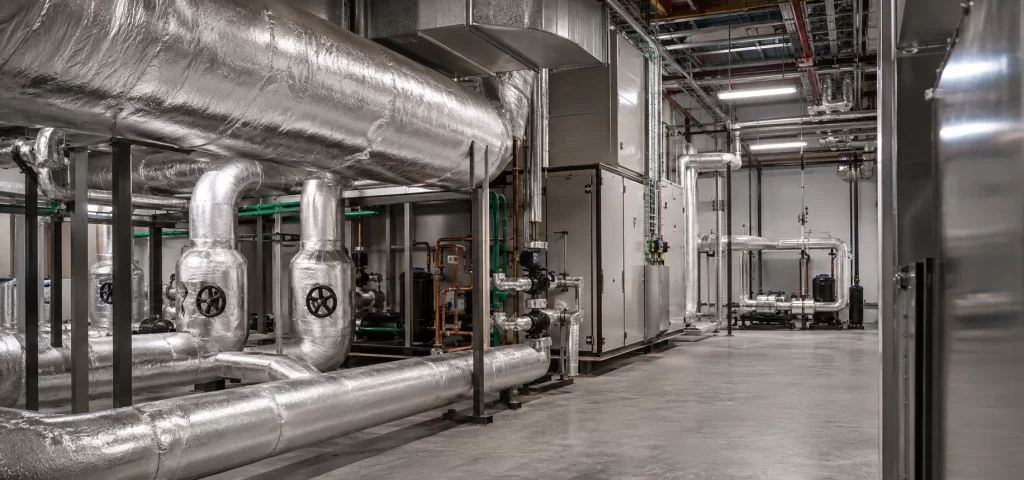
FIND YOUR HVAC SOLUTION
What Do You Need to Insulate?
Select the part of the HVAC system closest to your requirement. The suitable material and insulation thickness depend on operating temperature, dimensions, ambient conditions and project specifications.
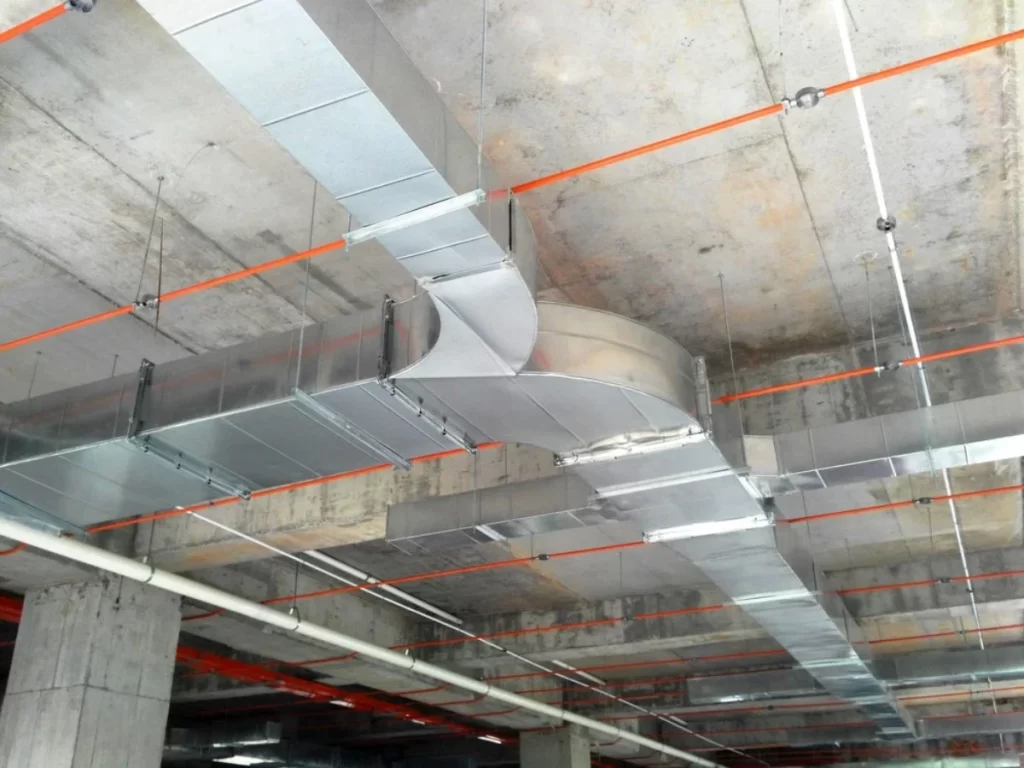
HVAC Air Ducts
Requirement: You need to limit unwanted heat gain or heat loss through supply ducts, return ducts or plenums.
Solution direction: Closed-cell XLPE foam or nitrile insulation may be considered according to the duct location, thermal requirement, condensation conditions, facing and project specification.
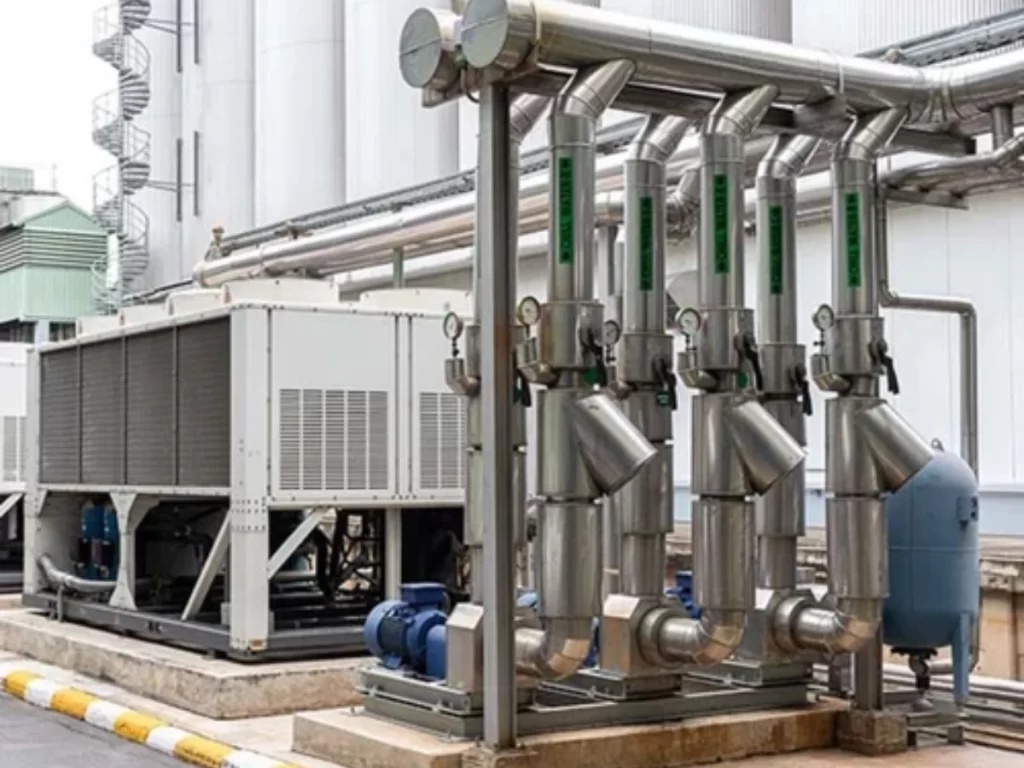
Chilled-Water Pipes
Requirement: You need to maintain chilled-water temperature and manage condensation on cold pipe surfaces.
Solution direction: A properly selected closed-cell insulation system with continuously sealed joints can help control heat gain and surface condensation risk.
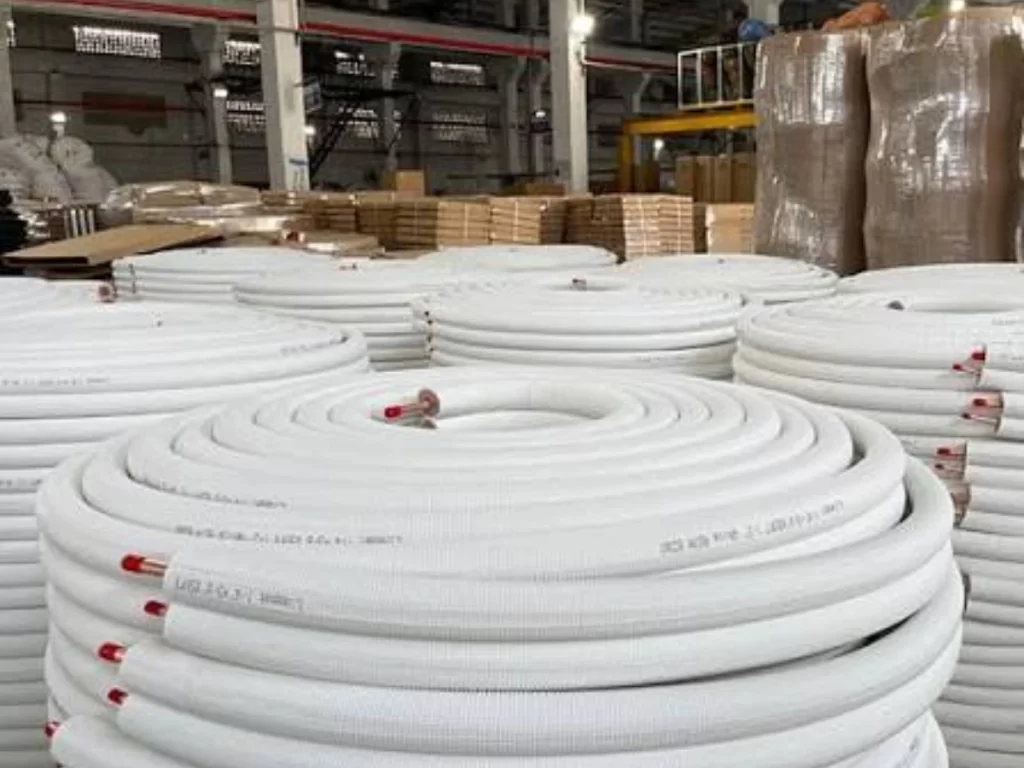
Refrigerant and AC Copper Pipes
Requirement: You need flexible insulation around refrigerant lines, AC copper pipes, bends and joints.
Solution direction: Suitable nitrile or XLPE formats may be considered based on pipe dimensions, operating temperature, HVAC system type and consultant requirements.
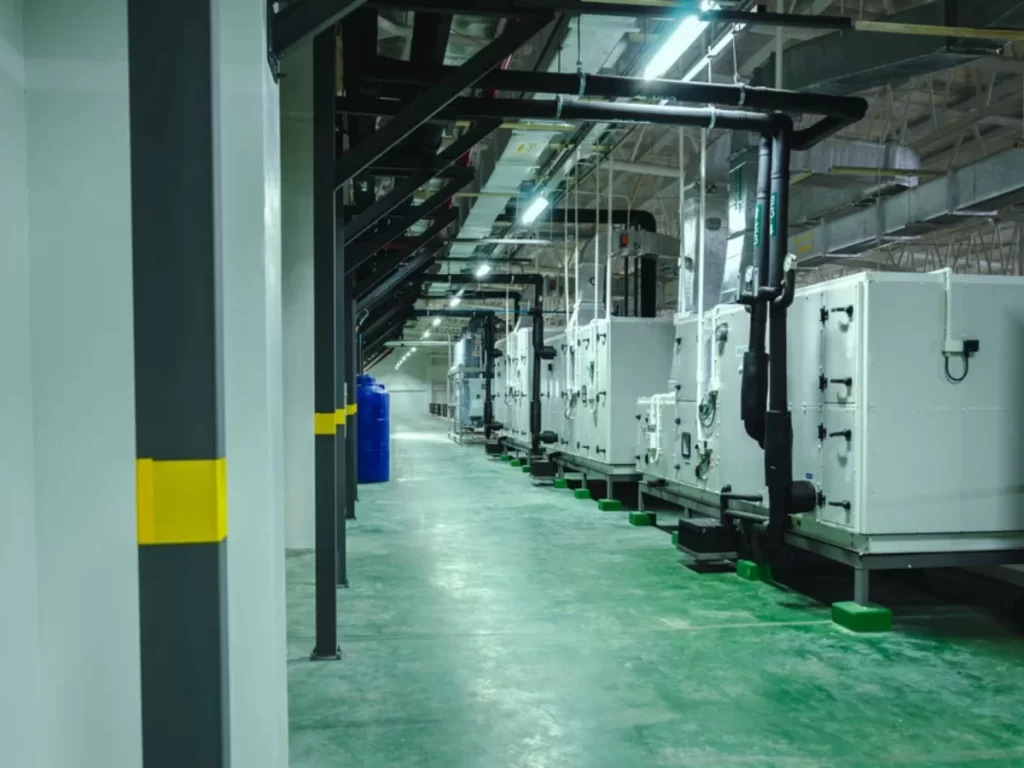
AHUs and HVAC Equipment
Requirement: You need insulation for equipment surfaces, valves, bends, fittings or irregular shapes.
Solution direction: Flexible closed-cell insulation may be considered where fitting flexibility, vapour control and continuous insulation detailing are important.
SOLVE THE HVAC REQUIREMENT
Match the HVAC Problem with the Right Insulation Approach
HVAC insulation should be selected around the operating requirement—not only around the material name. Review the problem before selecting XLPE foam, nitrile rubber or a particular insulation thickness.
Temperature Loss Across Ducts or Pipes
User concern: Conditioned air or chilled fluid gains heat while travelling through unconditioned spaces, plant rooms, shafts or ceiling voids.
Solution approach: Select insulation according to operating temperature, required thermal resistance, surface dimensions and project conditions.
Condensation on Cold Surfaces
User concern: Moisture forms on cold ducts, chilled-water lines or refrigerant pipes in humid surroundings.
Solution approach: Use a suitable closed-cell insulation system with correctly selected thickness and properly sealed joints, penetrations and fittings.
Difficult Bends and Equipment Surfaces
User concern: Rigid insulation may be difficult to apply around elbows, valves, fittings, copper pipes and irregular equipment surfaces.
Solution approach: Consider flexible insulation formats that can maintain continuity across complex shapes and connection points.
Outdoor HVAC Exposure
User concern: Insulation may be exposed to sunlight, weather, water ingress or mechanical damage.
Solution approach: The insulation system may require an appropriate protective facing, coating or cladding based on outdoor conditions and the project specification.
The final solution must be based on the complete HVAC operating conditions. Material name or nominal thickness alone is not enough to select a reliable insulation system.
HVAC APPLICATIONS
Insulation Solutions Based on Your HVAC System
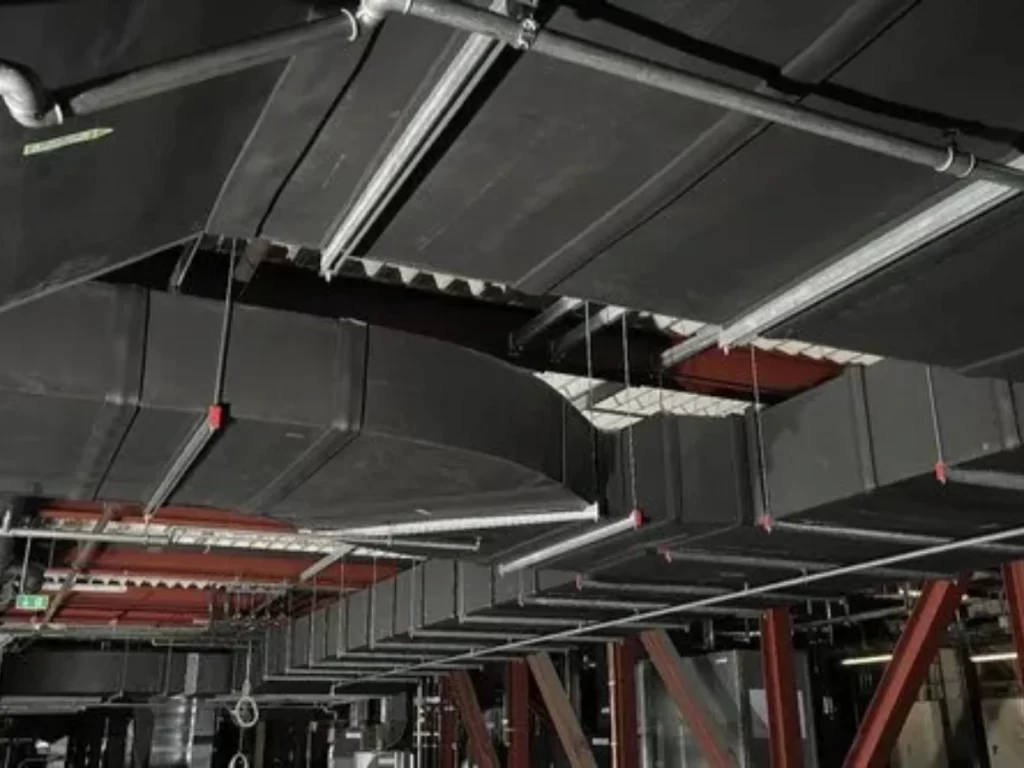
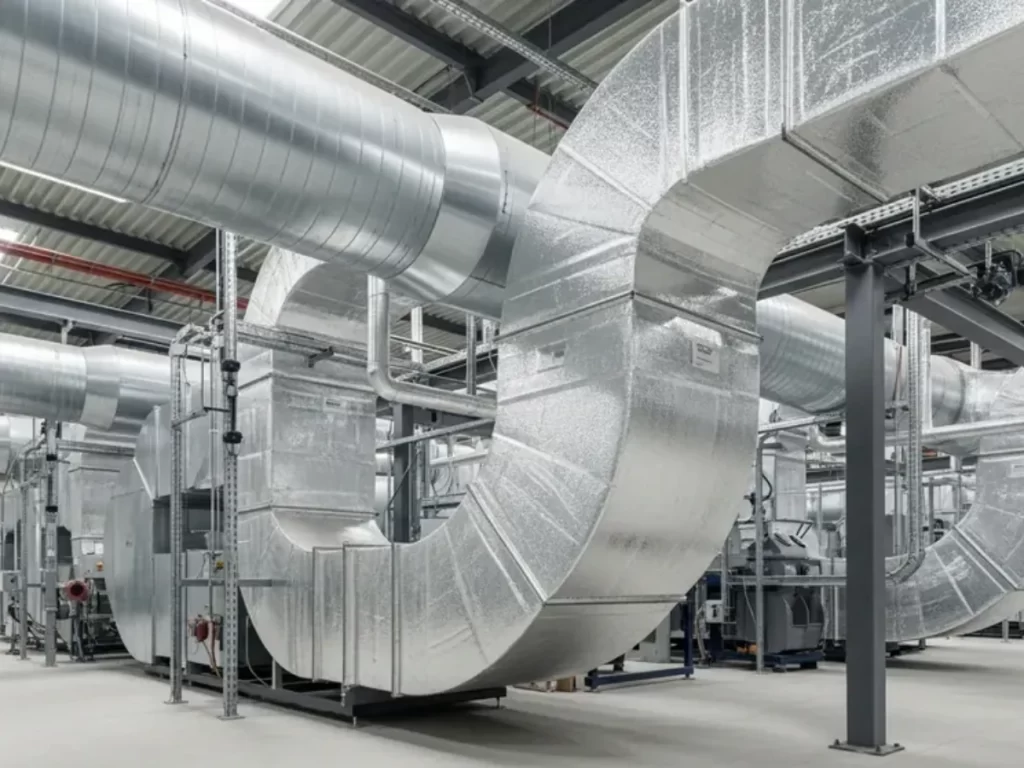
HVAC Duct Insulation
Supply and return ducts may pass through plant rooms, shafts, false ceilings and other spaces with temperatures different from the conditioned air.
Suitable HVAC duct insulation helps reduce unwanted thermal exchange and supports condensation control on cold duct surfaces.
Common applications
- Rectangular HVAC ducts
- Circular ductwork
- Supply and return air ducts
- Plenums
- Selected AHU surfaces
- Commercial air-distribution systems
- Industrial ventilation systems
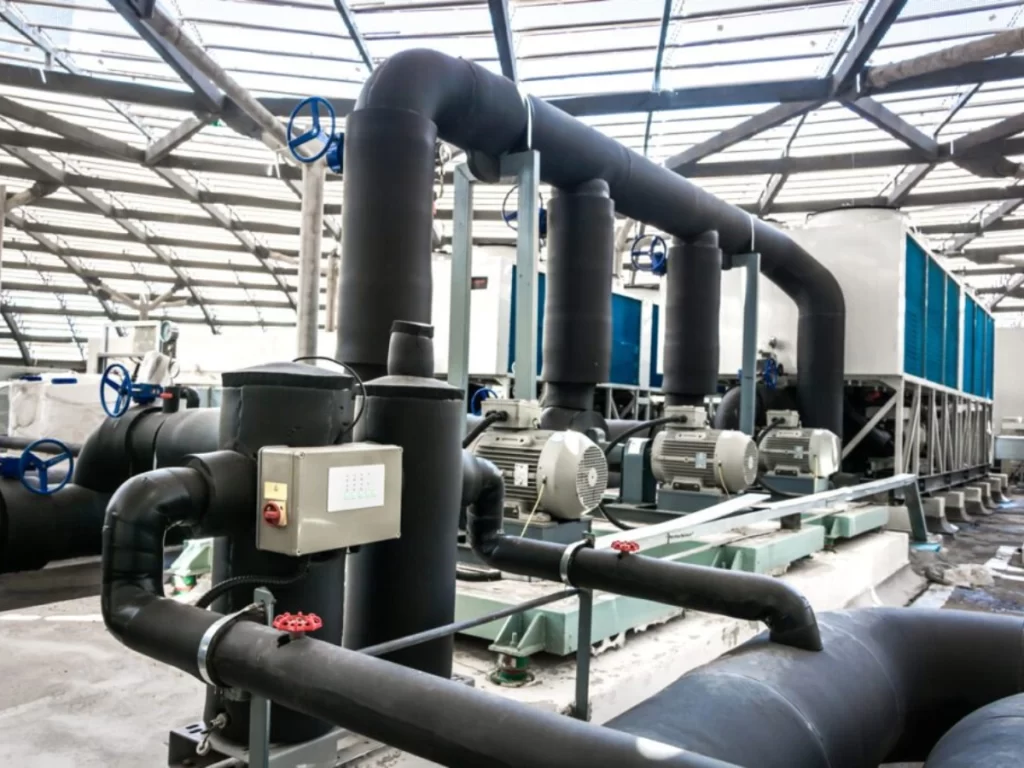
Chilled-Water Pipe Insulation
Chilled-water lines normally operate below the surrounding ambient temperature. Without suitable insulation, the pipe can gain heat and may develop surface condensation.
Closed-cell pipe insulation should be selected according to water temperature, pipe diameter, ambient humidity, installation location and the required external surface condition.
Common applications
- Chiller plant pipelines
- AHU supply and return lines
- Chilled-water distribution networks
- MS pipes
- Elbows and bends
- Valves and flanges
- Pipe fittings and supports
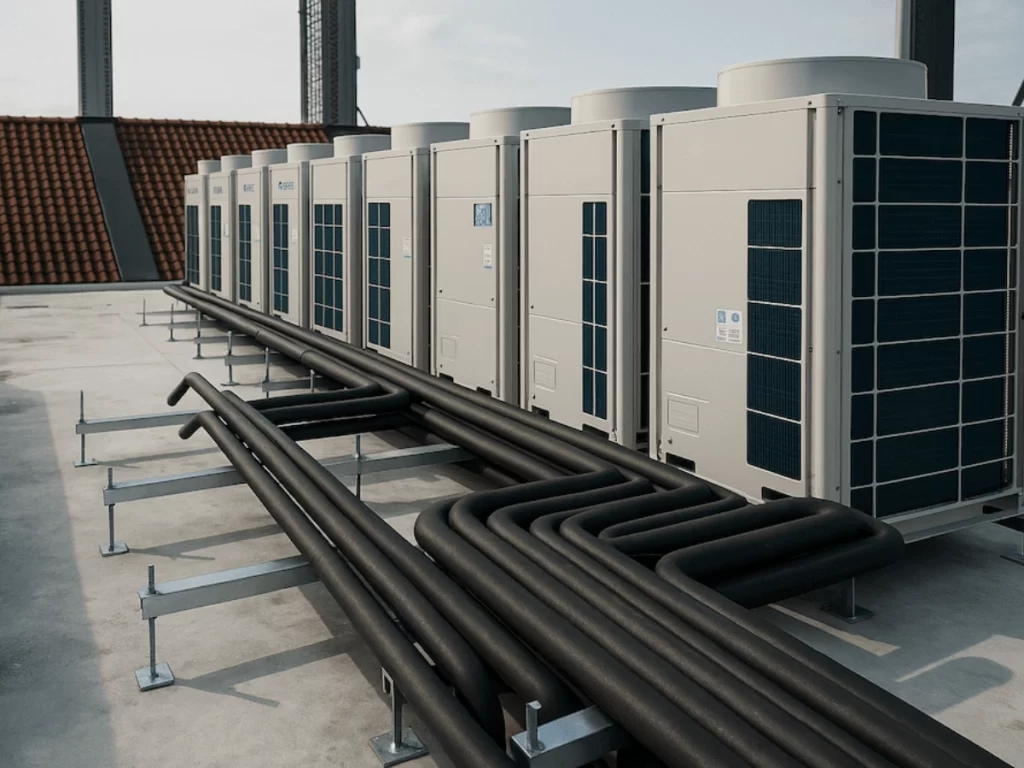
Refrigerant and AC Copper Pipe Insulation
Refrigerant suction lines and AC copper pipes require continuous insulation across straight pipe sections, bends, joints and equipment connections.
Flexible insulation helps limit unwanted thermal exchange and manage condensation risk around cold refrigerant lines.
Common applications
- Split air-conditioning systems
- Commercial air-conditioning systems
- VRF systems
- VRV systems
- Refrigerant suction lines
- AC copper pipes
- Pipe bends and fittings
AHU, Fitting and Equipment Insulation
HVAC equipment contains joints, access areas, bends, valves and irregular surfaces that require careful insulation detailing.
The selected insulation must fit the equipment geometry while maintaining continuity across joints and penetrations.
Common applications
- AHU sections
- Equipment panels
- Large-diameter piping
- Tanks and selected vessels
- Valves
- Flanges
- Irregular HVAC surfaces
CHOOSE THE SUITABLE MATERIAL
XLPE or Nitrile: Which HVAC Insulation Should You Consider?
There is no single insulation material that is automatically best for every HVAC project. The suitable choice depends on the system type, operating temperature, pipe or duct dimensions, ambient humidity, required thermal performance, fire requirements, installation method and consultant specification.
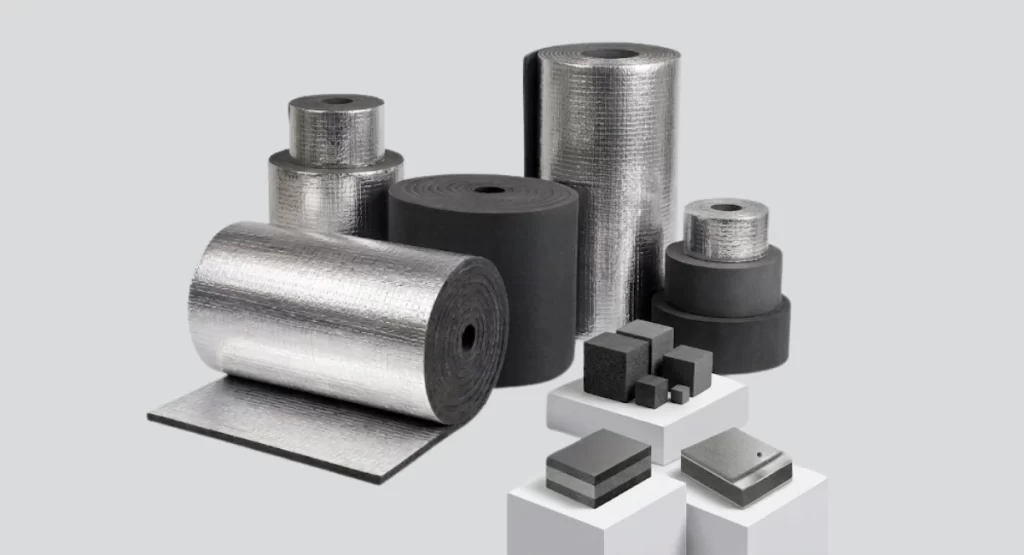
XLPE Foam Insulation for HVAC
Cross-linked polyethylene foam is a lightweight, flexible and fibre-free closed-cell insulation material that may be considered for selected HVAC ducting, piping, equipment and larger surface applications.
Often considered for
- HVAC duct wrapping
- Large duct and equipment surfaces
- Selected chilled-water applications
- Selected AC piping requirements
- Projects requiring lightweight closed-cell foam
- Applications requiring suitable facings or protective finishes
Selection note: Confirm the required thickness, facing, density, thermal values and compliance requirements using the relevant MaruCool technical datasheet.
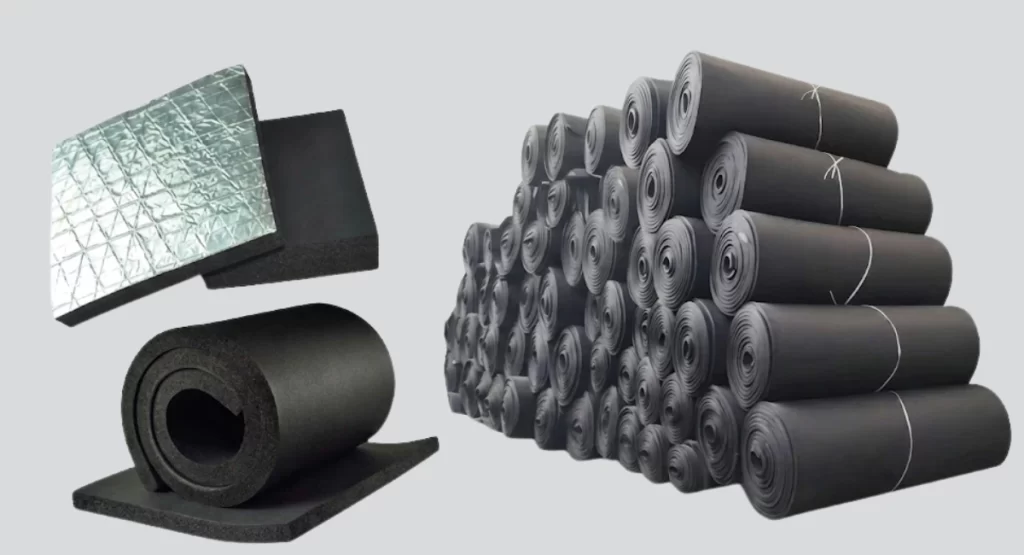
Nitrile Rubber Insulation for HVAC
Nitrile rubber is a flexible elastomeric closed-cell insulation material commonly considered for HVAC pipes, refrigerant lines, chilled-water systems, ducts and complex fittings.
Often considered for
- Chilled-water pipelines
- Refrigerant suction lines
- AC copper pipes
- HVAC ducts
- Pipe bends and fittings
- Valves and complex surfaces
- Flexible pipe or sheet applications
Selection note: Confirm the required thickness, temperature suitability, vapour performance and fire requirements using the relevant MaruCool technical datasheet.
Do not select HVAC insulation only by comparing material names or prices. Operating conditions, thickness, installation quality, joint sealing and protective finish influence the performance of the complete insulation system.
WHY HVAC BUSINESSES CHOOSE MARUCOOL
One HVAC Requirement. Multiple Insulation Options. Application-Led Support.
MaruCool helps contractors, consultants and project teams evaluate the HVAC application before selecting an insulation material.
Instead of recommending one product for every system, the requirement is reviewed against the project conditions and available XLPE or nitrile insulation options.
XLPE and Nitrile Options
Access closed-cell XLPE foam and nitrile rubber insulation options for different HVAC applications through one project discussion.
Requirement-Based Selection
Review the application, temperature, dimensions, ambient conditions, facing and project specification before finalising the solution.
Support for B2B Projects
Clear communication for HVAC contractors, MEP consultants, procurement professionals, engineers and project stakeholders.
Commercial and Industrial Focus
Insulation requirements evaluated for ducts, chilled-water systems, refrigerant piping and selected HVAC equipment.
Technical values, operating limits, fire classifications and compliance statements are published only when supported by the relevant MaruCool datasheet or test document.
GET THE RIGHT RECOMMENDATION
What Should You Share for HVAC Insulation Selection?
Providing complete project information helps MaruCool understand the requirement and identify a more relevant insulation option.
- HVAC application
- Duct, pipe or equipment type
- Operating air or fluid temperature
- Pipe diameter or duct dimensions
- Indoor or outdoor location
- Ambient temperature
- Relative humidity, when available
- Required insulation thickness
- Required R-value, when specified
- Fire or smoke requirements
- Facing or cladding requirement
- Estimated quantity
- Project location
- Consultant or tender specification
- Required delivery schedule
Final material and thickness selection should follow the approved project specification, consultant requirements and applicable building or energy regulations.
COMMERCIAL AND INDUSTRIAL HVAC
HVAC Insulation for Different Project Environments
Office Buildings and IT Parks
Hospitals and Healthcare Facilities
Hotels, Malls and Institutions
Data Centres and Technical Facilities
Pharmaceutical and Food Facilities
Factories and Industrial Plants
MaruCool supports HVAC insulation enquiries from contractors, consultants, procurement teams and project owners working across commercial and industrial environments.
HVAC INSULATION QUESTIONS
Frequently Asked Questions
Which is the best insulation material for HVAC systems?
There is no universally best material for every HVAC application. XLPE foam and nitrile rubber may both be suitable depending on whether the requirement involves ducts, chilled-water pipes, refrigerant lines, equipment surfaces or outdoor exposure. The final choice should consider operating temperature, dimensions, humidity, thermal requirements, fire requirements and project specifications.
Should I use XLPE or nitrile insulation for HVAC ducts?
Both XLPE foam and nitrile rubber may be considered for selected HVAC duct applications. The decision depends on required thermal performance, duct location, condensation conditions, facing, installation method, fire requirements and the approved consultant specification.
Which insulation is suitable for chilled-water pipes?
Chilled-water lines generally require a closed-cell insulation system selected according to water temperature, pipe diameter, ambient temperature, humidity and the required external surface condition. Nitrile rubber or suitable XLPE formats may be evaluated after reviewing the complete project conditions.
What insulation is used for AC copper and refrigerant pipes?
Flexible closed-cell insulation is commonly considered for refrigerant suction lines and AC copper pipes. The material and thickness should suit the refrigerant operating temperature, pipe dimensions, surrounding humidity and HVAC system specification.
How does HVAC insulation help control condensation?
Insulation helps separate the cold duct or pipe surface from warmer humid air. Condensation control depends on selecting suitable material and thickness and maintaining continuous vapour-resistant detailing around joints, bends, supports, valves and penetrations.
How is HVAC insulation thickness selected?
Thickness should be determined using operating temperature, pipe or duct dimensions, surrounding temperature, relative humidity, required surface temperature, material thermal conductivity, installation location and project or code requirements. One standard thickness should not be applied to every HVAC system.
Can HVAC insulation be installed outdoors?
HVAC insulation may be used outdoors when the complete system includes suitable protection against sunlight, weather, water ingress and mechanical damage. The required coating, facing or cladding should be selected according to the project environment.
Does MaruCool provide HVAC insulation prices online?
HVAC insulation prices depend on material, thickness, facing, dimensions, quantity, application, project location and commercial requirements. Share the project details with MaruCool to receive a relevant quotation.
What details are required for an HVAC insulation quotation?
Share the application, operating temperature, pipe or duct size, required thickness or R-value, indoor or outdoor location, facing requirement, quantity, project location and relevant consultant or tender specification.
Get the Right Insulation for Your HVAC Requirement
Tell us what you need to insulate—HVAC ducts, chilled-water pipes, refrigerant lines or equipment surfaces.
Share your project conditions and MaruCool will review the requirement for a suitable XLPE or nitrile insulation solution.