
REFLECTIVE ROOF & BUILDING INSULATION
Air Bubble Insulation Sheets for Industrial Roofs and Buildings
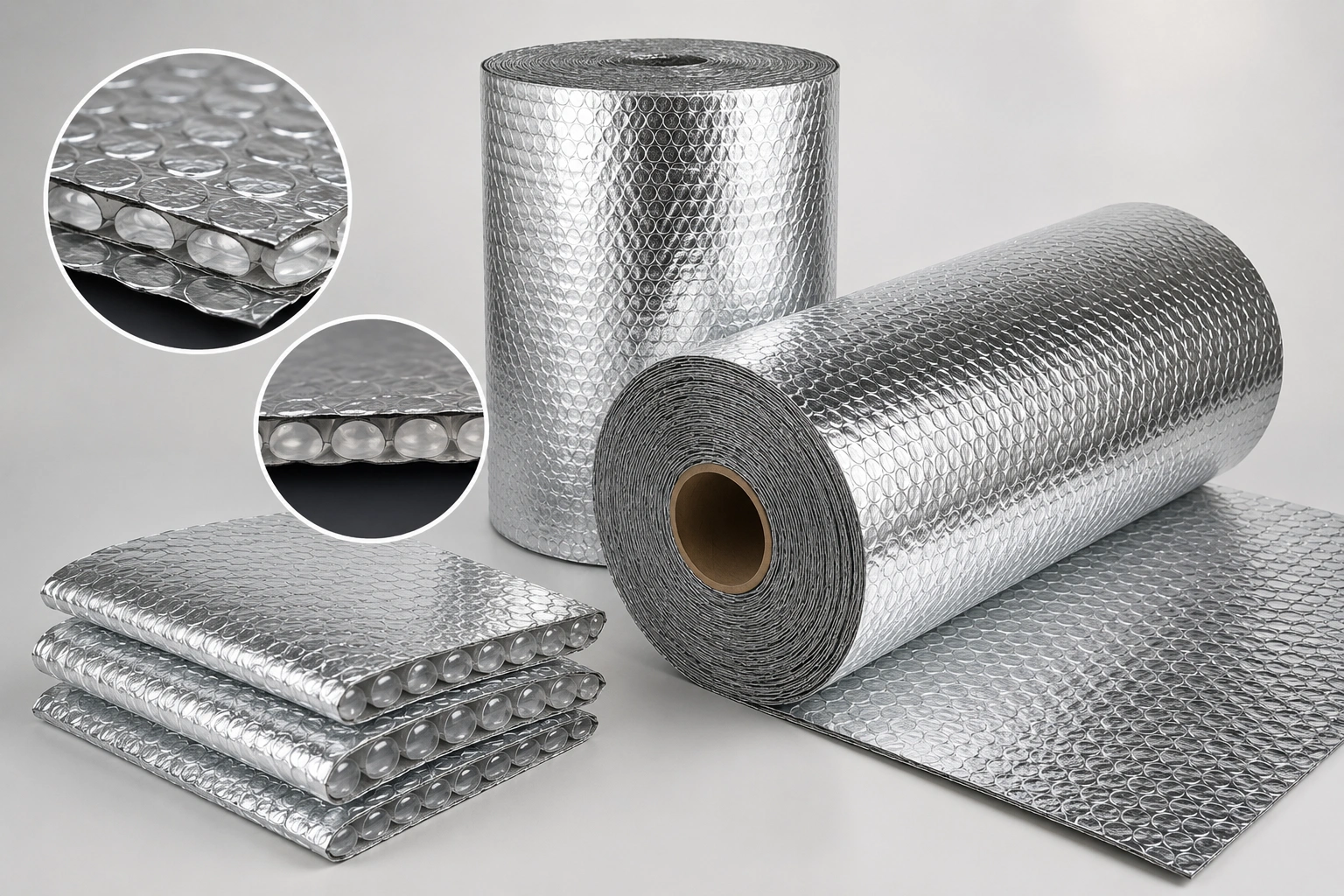
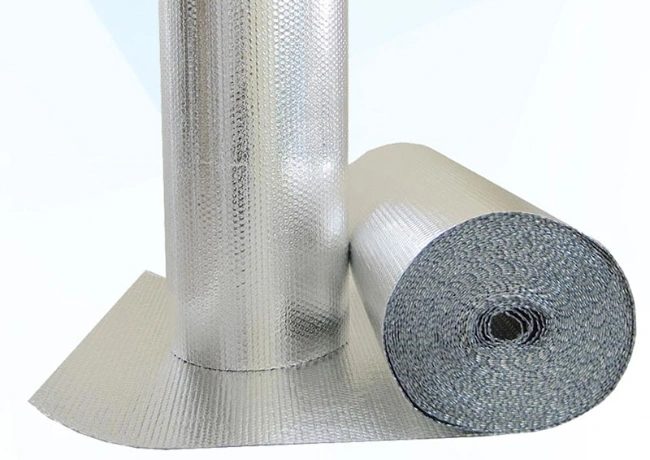
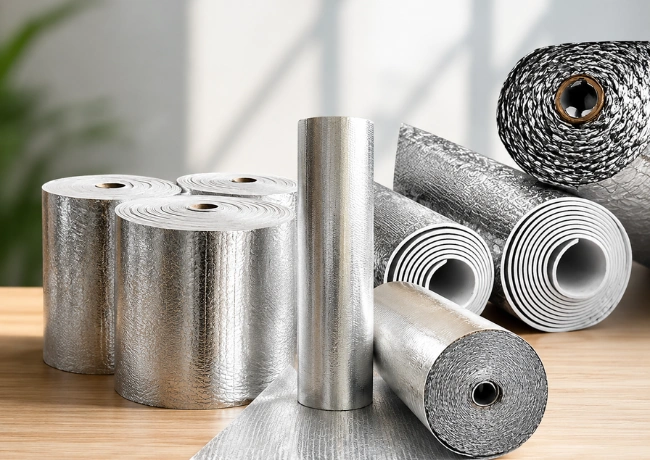
MaruCool aluminium foil air bubble insulation sheets combine reflective foil surfaces with sealed polyethylene air-bubble layers to help reduce radiant heat transfer across metal roofs, industrial sheds, warehouses, PEB buildings, poultry sheds, dairy sheds, ceilings and wall assemblies.
These sheets are also known as aluminium foil insulation, aluminum foil insulation, reflective heat insulation or reflective thermal insulation. They are available in multiple thicknesses and bubble-layer configurations for new roofing systems and selected under-deck retrofit applications.
- Reflective aluminium foil facing
- Closed-cell, fibre-free PE bubble layers
- Multiple thickness and layer options
- Lightweight roll format for roofs and walls
For factories, warehouses, PEBs, poultry sheds and commercial buildings across India
PRODUCT OVERVIEW
Air Bubble Insulation at a Glance
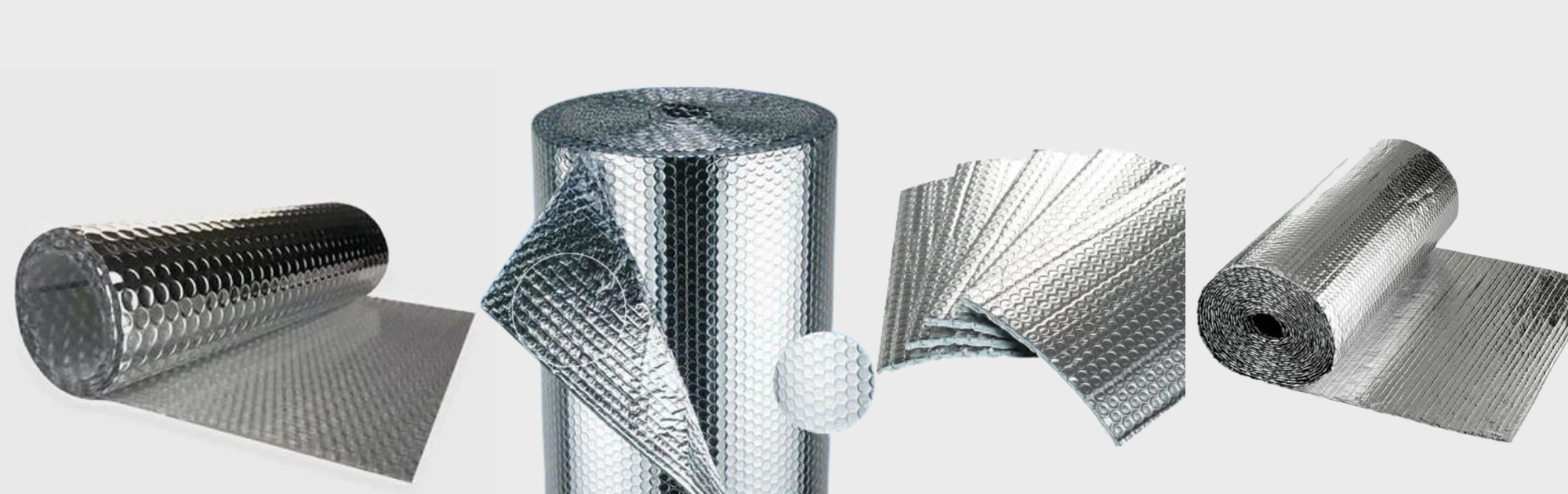
MaruCool reflective bubble insulation is supplied in roll form for roof, wall, ceiling and under-deck applications. Product selection should consider the building type, roof assembly, installation position, available air space and required project performance.
Product Type
Reflective aluminium foil air bubble insulation sheet supplied in a lightweight roll format.
Core Material
Closed-cell, fibre-free polyethylene air-bubble layers designed for insulation assemblies.
Surface Facing
Reflective aluminium foil laminated on both sides to help control radiant heat transfer.
Available Thicknesses
Available in 4 mm, 6 mm, 8 mm, 10 mm, 12 mm, 14 mm, 16 mm and 20 mm variants.
Common Applications
Used across metal roofs, industrial sheds, warehouses, PEBs, poultry sheds, walls, ceilings and selected under-deck installations.
Selection Factors
Selection depends on roof type, air space, bubble-layer construction, moisture conditions, fire requirements and installation method.
Important: Reflective bubble insulation should be selected as part of a complete roof or wall assembly. Thickness alone should not be treated as the only performance criterion.
HOW IT WORKS
What Is Aluminium Foil Air Bubble Insulation?
Air bubble insulation is a lightweight thermal insulation material made from sealed polyethylene air bubbles laminated with reflective aluminium foil. It differs from ordinary packaging bubble wrap because it is designed as a building-insulation product with reflective facings and defined layer constructions.
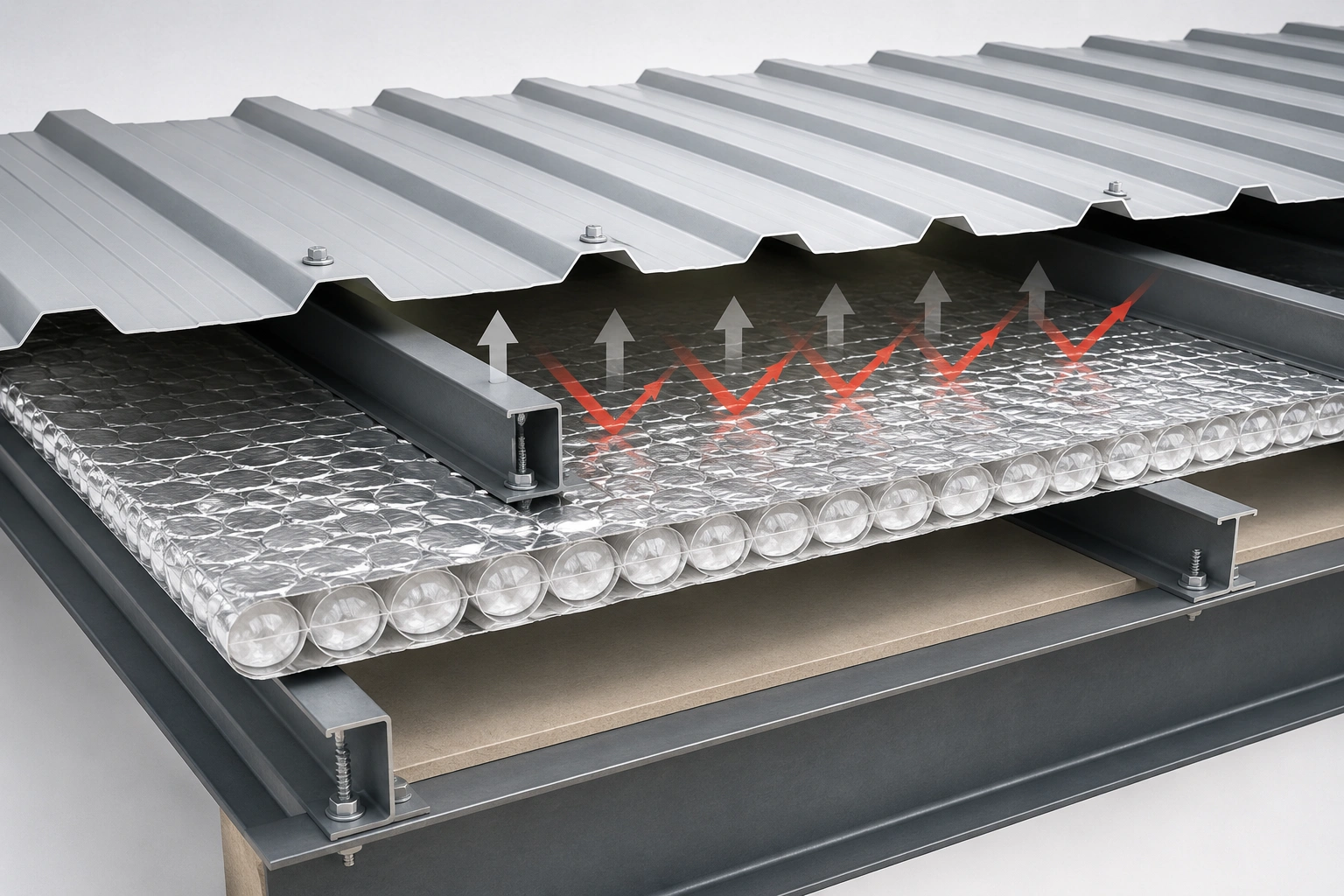
In aluminium foil insulation, the reflective foil surface helps reduce radiant heat transfer, while the enclosed air bubbles create a trapped-air layer that helps slow heat movement through the assembly. Final performance depends on the complete roof or wall construction, adjacent air space, joint sealing and installation quality.
Reflects Radiant Heat
The low-emittance aluminium surface helps reduce radiant heat transfer from a hot roof towards the occupied area.
Uses Sealed Air Pockets
The polyethylene bubble core creates a lightweight trapped-air layer that helps resist heat movement through the roof or wall assembly.
Supports Continuous Coverage
Properly treated seams, edges and penetrations help create a more continuous insulation layer across the building envelope.
Technical principle: A reflective insulation surface normally performs most effectively when it faces an appropriate adjacent air space. The exact assembly should follow the product guidance and project requirements.
BUILDING HEAT CHALLENGES
Roof and Building Heat Problems Reflective Insulation Can Help Address
Metal roofing can absorb solar heat and transfer it towards the building interior through radiation, conduction and convection. Correctly specified reflective insulation can help manage part of this heat-transfer path while supporting a more practical roof or under-deck assembly.
Excessive Radiant Roof Heat
Hot metal roofing can radiate heat downwards into factories, warehouses, sheds and occupied work areas.
Uncomfortable Indoor Conditions
Roof heat gain can contribute to hot zones and inconsistent thermal comfort inside large industrial and commercial buildings.
Higher Cooling Demand
Uncontrolled roof heat may increase dependence on ventilation, fans or mechanical cooling systems.
Condensation and Dripping Risk
Metal-roof assemblies may experience condensation under certain temperature and humidity conditions. Insulation, air sealing and ventilation should be considered together.
Difficult Existing-Roof Retrofits
Lightweight under-deck insulation can be considered where removing or replacing the existing roof is impractical.
APPLICATIONS
Where Air Bubble Insulation Sheets Are Used
MaruCool aluminium bubble insulation sheets can be specified for industrial, agricultural, commercial and building-envelope applications. Final product selection should consider the roof design, climate, installation position and operational requirements.
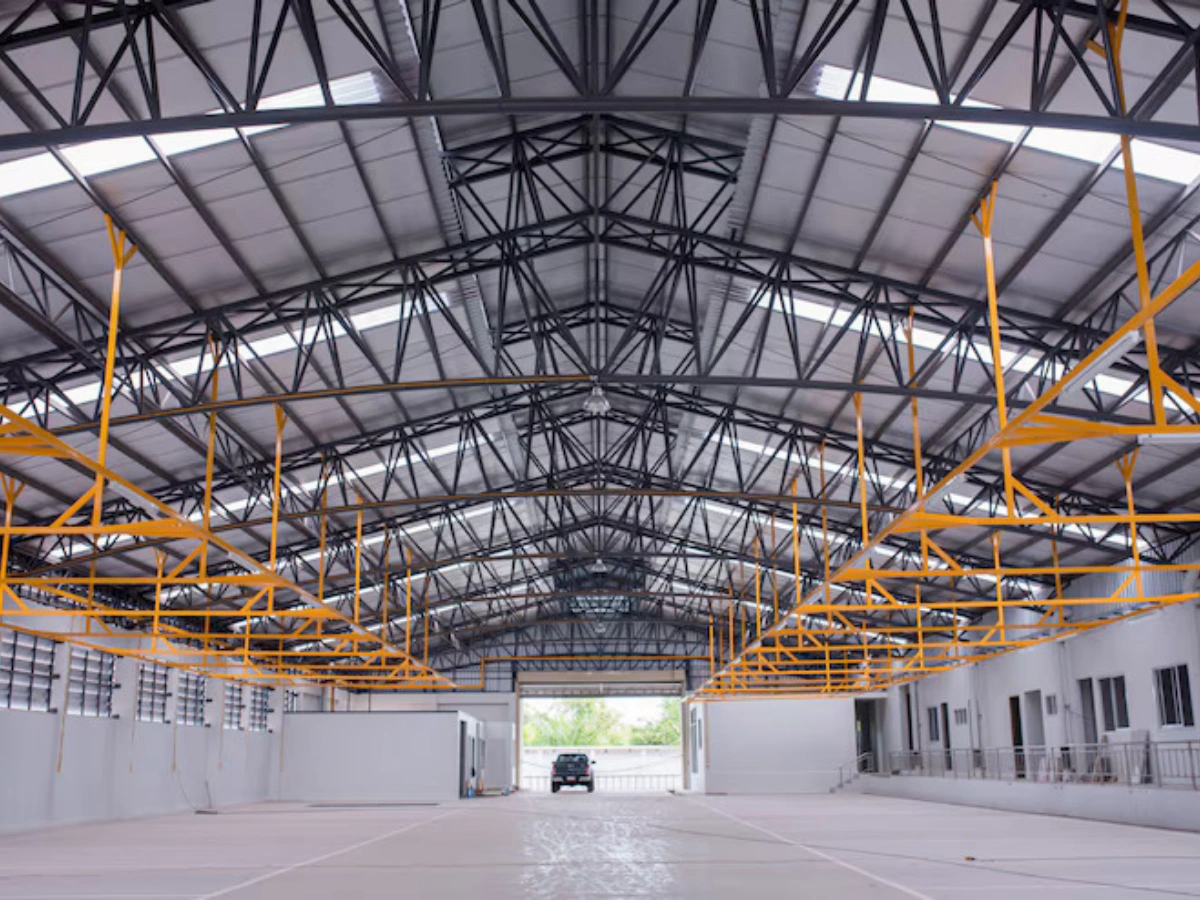
Factories and Industrial Sheds
Helps limit radiant heat transfer through metal roofing and supports improved thermal-comfort planning inside production and assembly areas.
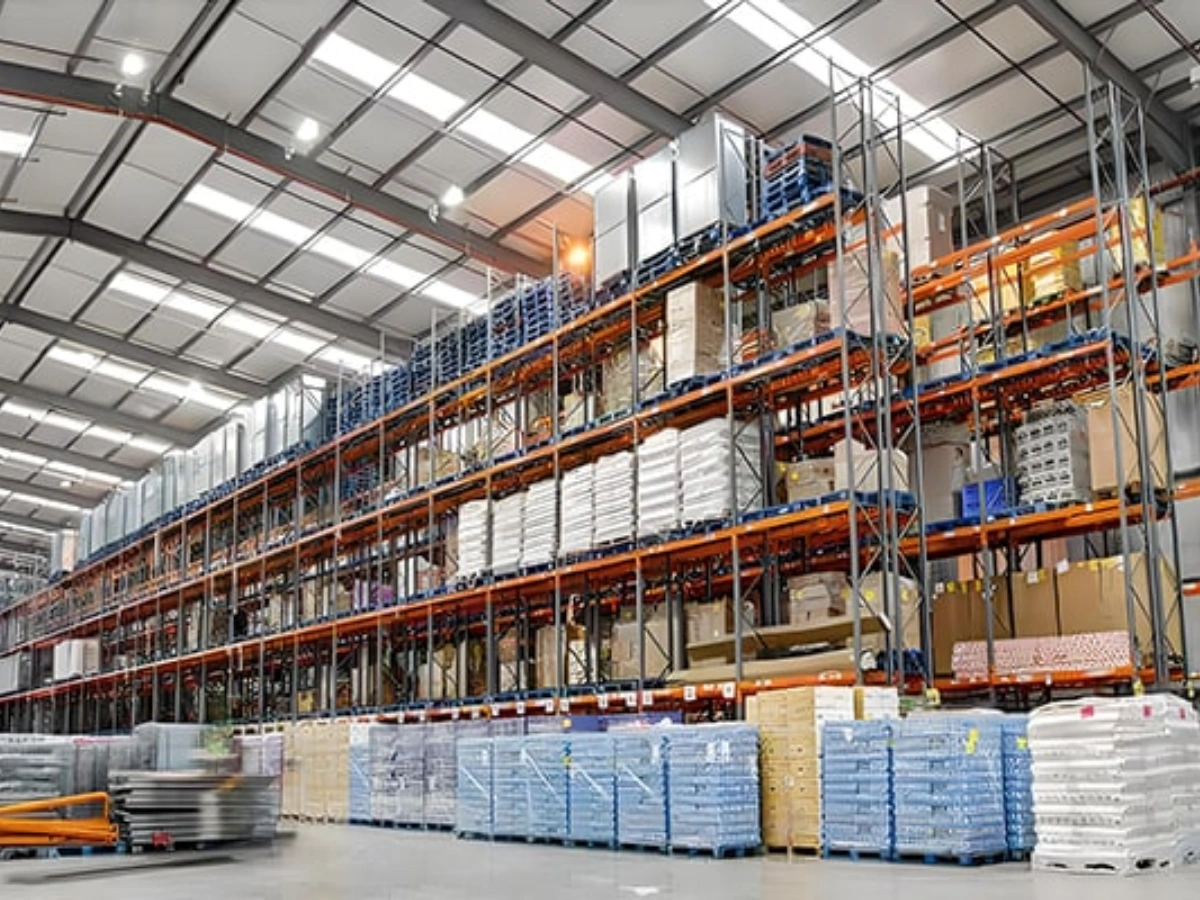
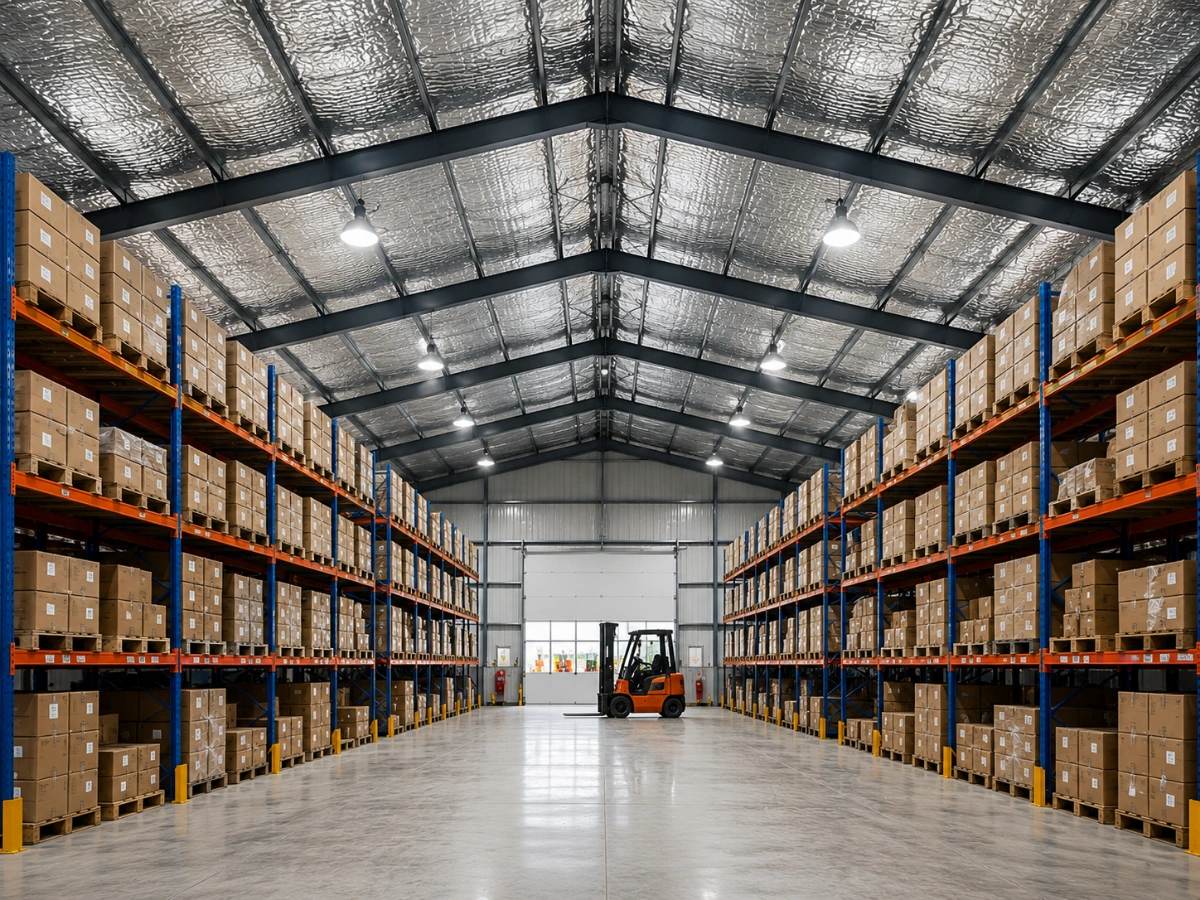
Warehouses and Logistics Buildings
Supports more stable interior conditions for workers, stored materials and warehouse operations exposed to roof heat gain.
PEB and Metal Buildings
The lightweight roll format can be incorporated into suitable pre-engineered building roof and wall systems.
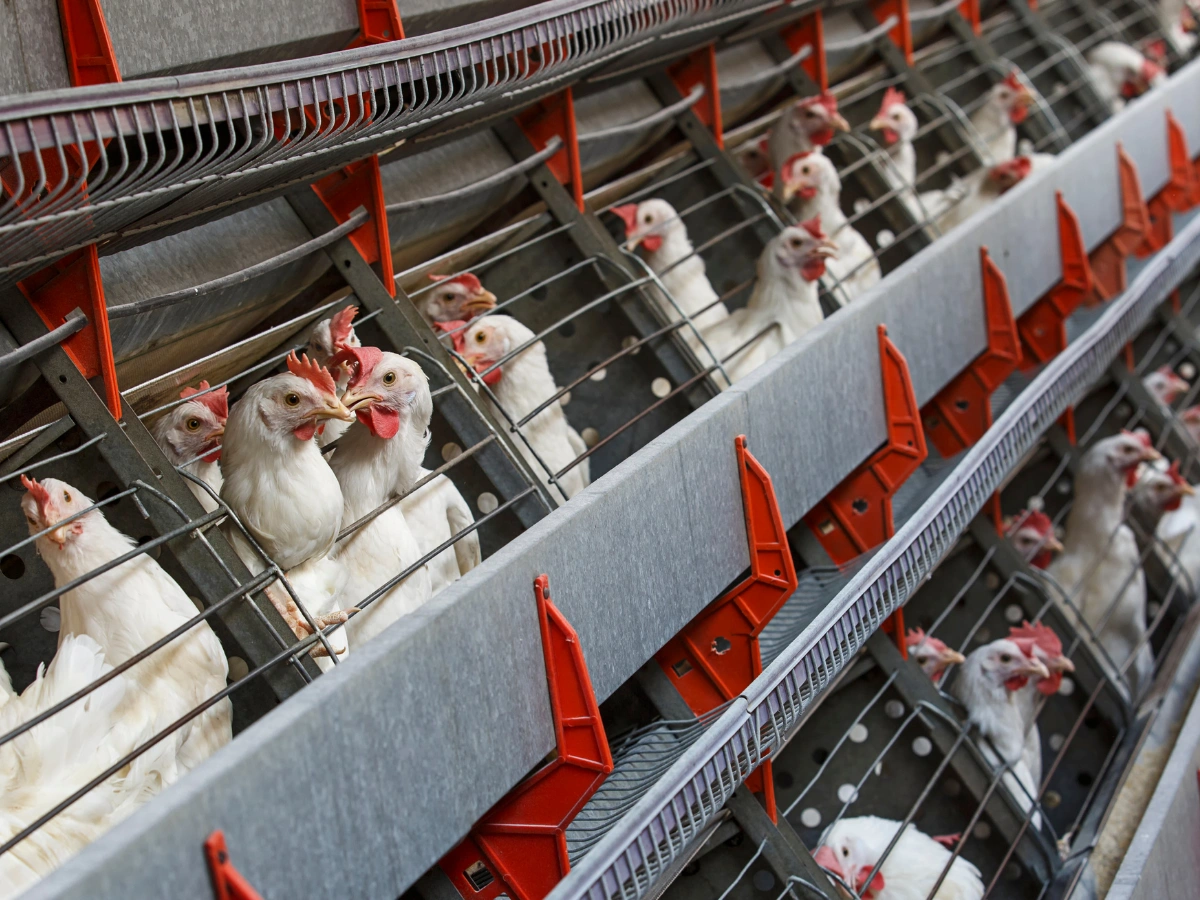
Poultry Farms
Helps manage radiant roof heat in poultry sheds. Product selection should also consider ventilation, shed design and local climate.
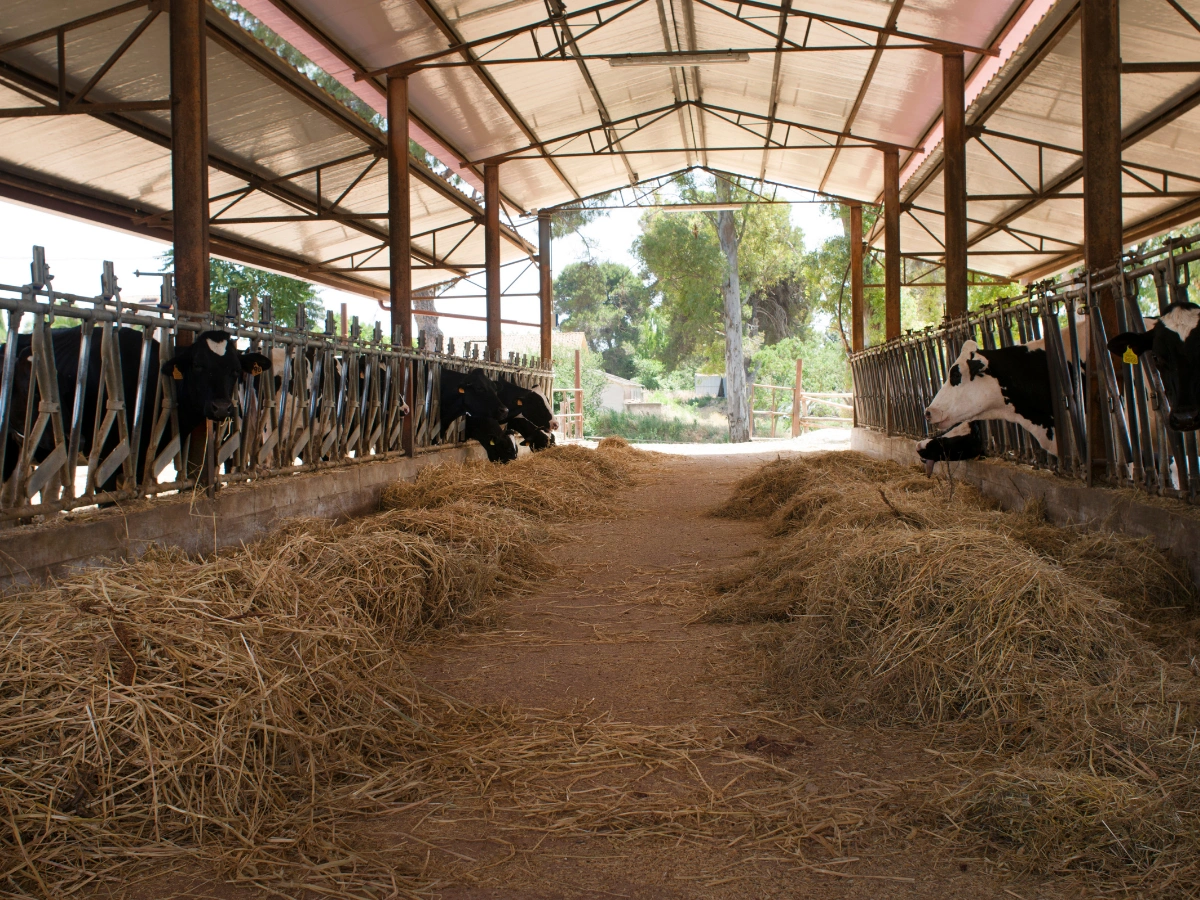
Dairy and Cattle Sheds
Can help reduce radiant heat entering livestock shelters through exposed metal roofing and support better shed-comfort planning.

Commercial and Institutional Buildings
Can be used within suitable roof, ceiling and wall assemblies for commercial buildings, institutions and multipurpose structures.

Existing Under-Deck Roofs
Selected variants can be installed beneath existing roofs when roof removal is impractical, subject to structural and installation assessment.
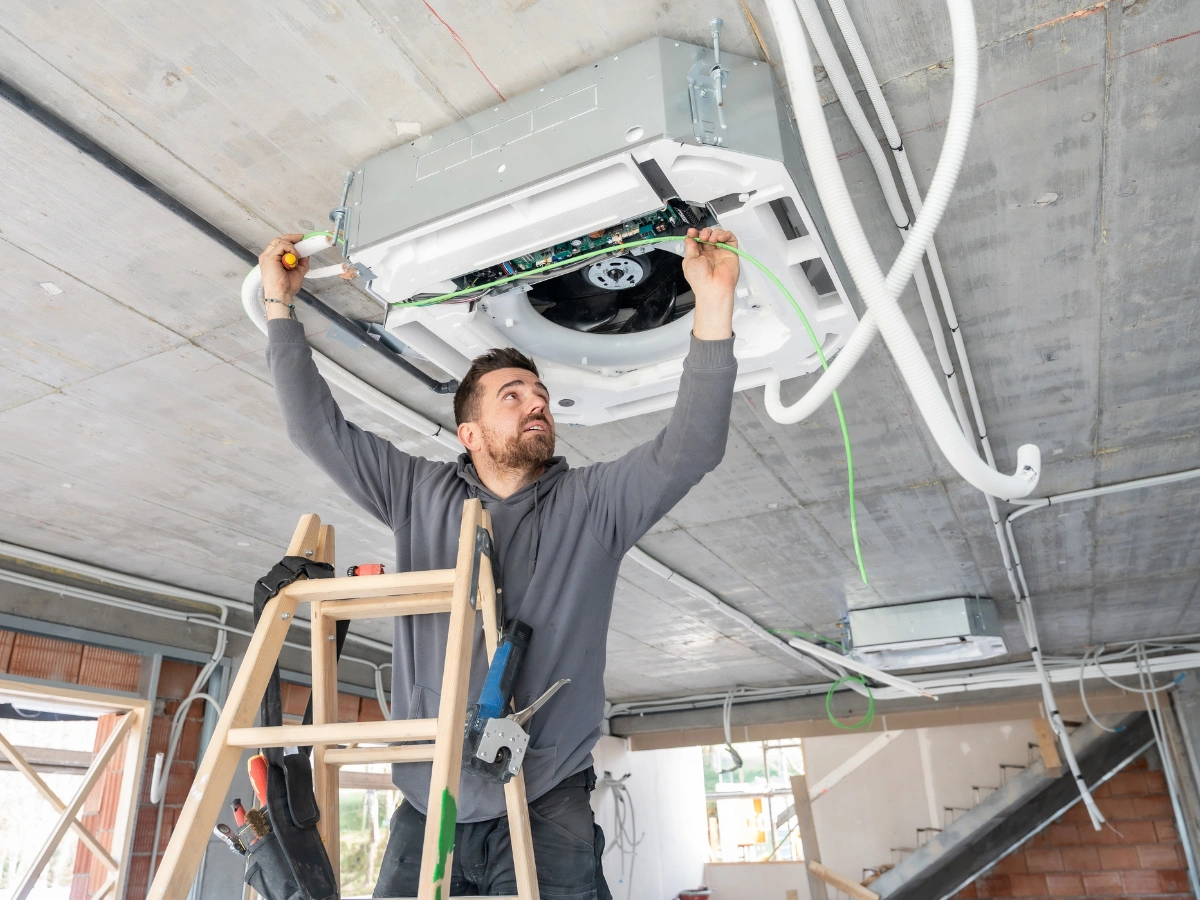
Walls, Ceilings and HVAC Assemblies
May be incorporated into selected wall, ceiling, duct and temperature-control assemblies when correctly specified for the application.
Not sure whether your project needs Bubble, XLPE or Hybrid Insulation?
PRODUCT ADVANTAGES
Why Buyers Consider Reflective Heat Insulation
Radiant Heat Control
Reflective aluminium facings help reduce radiant heat transfer when used within a correctly designed roof or wall assembly.
Lightweight Roll Format
The product can be transported, handled and installed without the weight associated with many bulk insulation materials.
Fibre-Free Construction
Closed-cell polyethylene bubble layers provide a fibre-free format for common roof, wall and ceiling applications.
Multiple Layer Options
Single, double and multi-layer configurations support different building, roof and installation requirements.
Moisture-Resistant Materials
The foil and polyethylene construction does not readily absorb moisture, although joints and penetrations still require proper treatment.
Suitable for New and Existing Roofs
Different installation approaches can be considered for new roof construction and selected under-deck retrofit applications.
AVAILABLE VARIANTS
MaruCool Air Bubble Insulation Thickness and Layer Options
MaruCool offers reflective bubble insulation variants from 4 mm to 20 mm. Roll lengths and bubble-layer construction vary by product. Final specifications must be checked against the latest approved MaruCool technical data before publishing or ordering.
Product
Thickness
Bubble construction
Roll size
Selection context
MaruCool Basic
4 mm
Single bubble layer
1.25 m × 50 m
Compact reflective option for suitable roof, wall and ceiling assemblies.
MaruCool Single
6 mm
Single bubble layer
1.25 m × 50 m
Single-layer option where a moderate bubble thickness is required.
MaruCool Double
8 mm
Double bubble layer
1.25 m × 40 m
Double-layer construction for industrial, commercial and agricultural roof applications.
MaruCool Super
10 mm
Single bubble layer, according to current product information
1.25 m × 50 m
Larger single-layer construction for project-specific roof and building applications.
MaruCool Master
12 mm
Double bubble layer
1.25 m × 40 m
Thicker double-layer option for selected roof applications.
MaruCool Unique
14 mm
Three bubble layers
1.25 m × 30 m
Multi-layer construction for selected industrial and building-envelope applications.
MaruCool Elite
16 mm
Three bubble layers
1.25 m × 30 m
Higher-thickness multi-layer option for project-specific requirements.
MaruCool Premium
20 mm
Double bubble layer, according to current product information
1.25 m × 30 m
Highest currently listed thickness; final suitability must be confirmed for the exact roof assembly.
MaruCool Basic
Thickness: 4 mm
Bubble construction: Single bubble layer
Roll size: 1.25 m × 50 m
Compact reflective option for suitable roof, wall and ceiling assemblies.
MaruCool Single
Thickness: 6 mm
Bubble construction: Single bubble layer
Roll size: 1.25 m × 50 m
Single-layer option where a moderate bubble thickness is required.
MaruCool Double
Thickness: 8 mm
Bubble construction: Double bubble layer
Roll size: 1.25 m × 40 m
Double-layer construction for industrial, commercial and agricultural roof applications.
MaruCool Super
Thickness: 10 mm
Bubble construction: Single bubble layer, according to current product information
Roll size: 1.25 m × 50 m
Larger single-layer construction for project-specific roof and building applications.
MaruCool Master
Thickness: 12 mm
Bubble construction: Double bubble layer
Roll size: 1.25 m × 40 m
Thicker double-layer option for selected roof applications.
MaruCool Unique
Thickness: 14 mm
Bubble construction: Three bubble layers
Roll size: 1.25 m × 30 m
Multi-layer construction for selected industrial and building-envelope applications.
MaruCool Elite
Thickness: 16 mm
Bubble construction: Three bubble layers
Roll size: 1.25 m × 30 m
Higher-thickness multi-layer option for project-specific requirements.
MaruCool Premium
Thickness: 20 mm
Bubble construction: Double bubble layer, according to current product information
Roll size: 1.25 m × 30 m
Highest currently listed thickness; final suitability must be confirmed for the exact roof assembly.
Product names, layer configurations and roll dimensions should be confirmed against the latest MaruCool product data before final specification or ordering.
SELECTION GUIDE
How to Select Air Bubble Insulation Thickness
The correct insulation should be selected according to the complete roof or wall assembly rather than thickness alone. Consider the roof material, building use, available air space, installation position, fire requirements, condensation conditions and expected mechanical exposure.
4–6 mm
Compact Reflective Options
Can be considered where installation space is limited and the project requires a lightweight reflective insulation layer. Final suitability should be reviewed against the roof assembly.
8–10 mm
Common Roof and Shed Options
Can be evaluated for factory roofs, warehouses, PEB structures, agricultural sheds and general metal-roof insulation applications.
12–14 mm
Thicker Double or Multi-Layer Options
Can be considered where the design requires a thicker bubble construction or a different bubble-layer configuration.
16–20 mm
Project-Specific Higher-Thickness Options
Should be selected after reviewing the building use, roof geometry, installation method, structural clearances and complete assembly requirements.
Information Needed for a Product Recommendation
Share the following project details so the insulation variant can be reviewed against the building and installation conditions.
Building type
Roof material and profile
New roof or existing roof
Above-purlin or under-deck installation
Approximate roof area
Project city and climate
Available adjacent air space
Ventilation arrangement
Fire-performance requirement
Condensation or moisture concern
Required technical documentation
Project timeline
Need help comparing the available thickness and layer options?
TECHNICAL INFORMATION
Aluminium Foil Air Bubble Insulation Sheet Specifications
The following information summarises current MaruCool product details. Exact values, standards, test methods and applicable product variants must be verified against the latest approved technical data sheet and test reports before publishing or specification.
Property
Current Product Information
Verification Status
Product Form
Reflective insulation supplied in roll form.
General product description
Core Construction
Closed-cell, fibre-free polyethylene air-bubble layers.
Confirm against the latest product data sheet
Surface Facing
Reflective aluminium foil laminated on both sides.
Confirm foil specification by product variant
Available Thicknesses
4 mm, 6 mm, 8 mm, 10 mm, 12 mm, 14 mm, 16 mm and 20 mm.
Confirm current product range
Standard Roll Width
1.25 m
Confirm against the applicable product variant
Roll Length
30 m, 40 m or 50 m, depending on the product variant.
Confirm before quotation or ordering
Aluminium Foil Thickness
Currently listed as 9 microns.
Verify before publishing
Reflectivity
Currently listed as 97%.
Verify product variant and test method
Emissivity
Currently listed as 3%.
Verify product variant and test method
Fire-Retardant Reference
Current product information refers to BS Part 6 and Part 7.
Verify the exact standard, classification, laboratory, report number and applicable product
Product Form
Current Product Information
Reflective insulation supplied in roll form.
Verification Status
General product description
Core Construction
Current Product Information
Closed-cell, fibre-free polyethylene air-bubble layers.
Verification Status
Confirm against the latest product data sheet
Surface Facing
Current Product Information
Reflective aluminium foil laminated on both sides.
Verification Status
Confirm foil specification by product variant
Available Thicknesses
Current Product Information
4 mm, 6 mm, 8 mm, 10 mm, 12 mm, 14 mm, 16 mm and 20 mm.
Verification Status
Confirm current product range
Standard Roll Width
Current Product Information
1.25 m
Verification Status
Confirm against the applicable product variant
Roll Length
Current Product Information
30 m, 40 m or 50 m, depending on the product variant.
Verification Status
Confirm before quotation or ordering
Aluminium Foil Thickness
Current Product Information
Currently listed as 9 microns.
Verification Status
Verify before publishing
Reflectivity
Current Product Information
Currently listed as 97%.
Verification Status
Verify product variant and test method
Emissivity
Current Product Information
Currently listed as 3%.
Verification Status
Verify product variant and test method
Fire-Retardant Reference
Current Product Information
Current product information refers to BS Part 6 and Part 7.
Verification Status
Verify the exact standard, classification, laboratory, report number and applicable product
Technical values depend on the tested product and test method. Request the applicable MaruCool data sheet and test documentation for project approval.
INSTALLATION
Air Bubble Insulation Installation for New and Existing Roofs
Installation quality directly affects reflective-insulation performance. The material must be positioned, supported, joined and sealed according to the roof system, structural design and project requirements.
New Metal Roof or PEB Installation
The final layer position and fastening method should follow the approved roof build-up and structural requirements.
- Confirm the approved roof build-up and insulation position.
- Check that purlins and supporting members are ready.
- Roll the insulation across the structure in the approved direction.
- Maintain the required reflective-surface orientation and adjacent air space.
- Avoid unnecessarily crushing or compressing the bubble core.
- Maintain continuous coverage between adjoining rolls.
- Treat overlaps or butt joints according to the approved installation method.
- Seal seams and penetrations using compatible specified accessories.
- Protect the insulation from tearing during roof-sheet installation.
- Inspect the complete insulation layer before closing the roof.
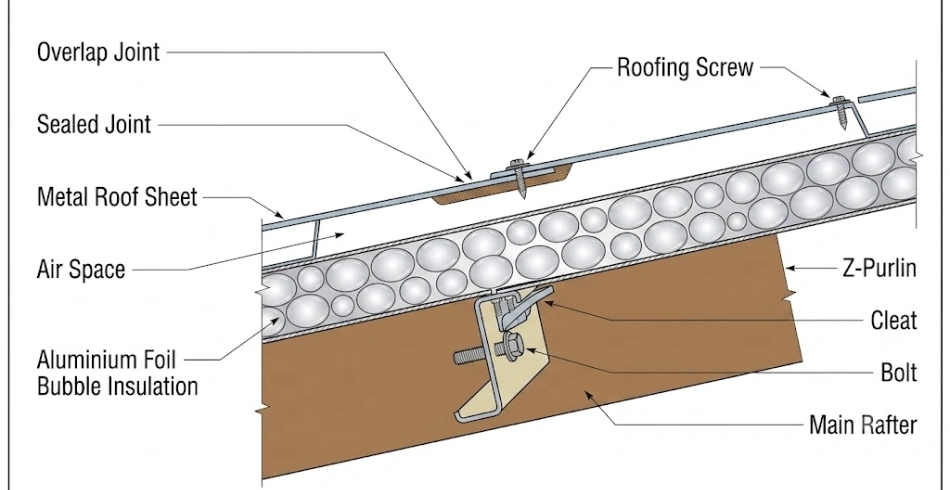
Existing Under-Deck Installation
Existing roofs should be inspected before installation to identify structural, moisture and electrical risks.
- Inspect the existing roof structure and underside condition.
- Identify leaks, corrosion, damaged sheets and electrical hazards.
- Confirm the approved support and fastening method.
- Install the insulation below the roof while preserving the designed adjacent air space.
- Maintain continuous sheet coverage across the roof area.
- Seal joints, edges and penetrations correctly.
- Avoid unsafe contact with wiring, hot equipment and sharp structural edges.
- Do not obstruct required ventilation paths.
- Inspect the completed installation for sagging, punctures and incomplete seams.
- Use experienced installers for large industrial roof areas.
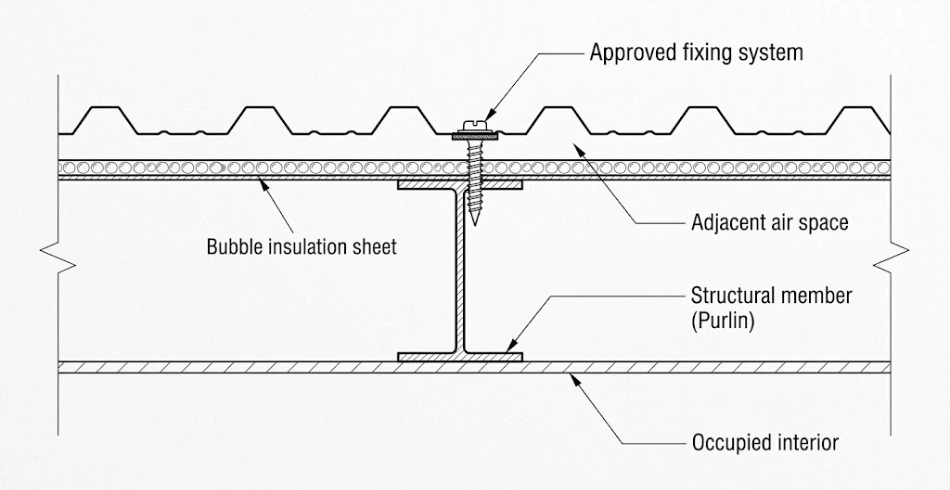
Installation details vary according to roof type, structural system, wind conditions, building use and project requirements. Obtain a project-specific recommendation before ordering or installation.
PRODUCT COMPARISON
Air Bubble Insulation vs XLPE vs Hybrid Insulation
Bubble, XLPE foam insulation sheets and Hybrid insulation sheets (XLPE + Bubble) control heat in different ways. The correct choice depends on whether the project primarily requires radiant-heat control, closed-cell foam resistance or a combination of both.
Product Type
Main Construction
Primary Thermal Role
Common Applications
Consider When
Air Bubble Insulation
Reflective aluminium foil with one or more sealed polyethylene bubble layers.
Primarily helps manage radiant heat while providing a lightweight trapped-air layer.
Metal roofs, factories, warehouses, PEBs, poultry sheds, ceilings and selected under-deck retrofits.
A lightweight, fibre-free reflective roof or wall insulation system is required and the assembly provides appropriate installation conditions.
XLPE Foam Insulation
Closed-cell cross-linked polyethylene foam, commonly supplied with a suitable facing.
Provides bulk resistance to conductive heat transfer and supports moisture-control applications.
Roofs, ducts, pipes, walls, equipment and building-envelope systems.
The project requires a continuous closed-cell foam layer or greater bulk resistance to conductive heat transfer.
Hybrid Insulation
A combined reflective bubble and XLPE foam insulation system.
Combines radiant-heat control with closed-cell foam resistance.
Industrial roofs, warehouses, PEBs and project-specific building-envelope assemblies.
The project requires both reflective and bulk-insulation functions within one designed insulation system.
Air Bubble Insulation
Main Construction
Reflective aluminium foil with one or more sealed polyethylene bubble layers.
Primary Thermal Role
Primarily helps manage radiant heat while providing a lightweight trapped-air layer.
Common Applications
Metal roofs, factories, warehouses, PEBs, poultry sheds, ceilings and selected under-deck retrofits.
Consider When
A lightweight, fibre-free reflective roof or wall insulation system is required and the assembly provides appropriate installation conditions.
XLPE Foam Insulation
Main Construction
Closed-cell cross-linked polyethylene foam, commonly supplied with a suitable facing.
Primary Thermal Role
Provides bulk resistance to conductive heat transfer and supports moisture-control applications.
Common Applications
Roofs, ducts, pipes, walls, equipment and building-envelope systems.
Consider When
The project requires a continuous closed-cell foam layer or greater bulk resistance to conductive heat transfer.
Hybrid Insulation
Main Construction
A combined reflective bubble and XLPE foam insulation system.
Primary Thermal Role
Combines radiant-heat control with closed-cell foam resistance.
Common Applications
Industrial roofs, warehouses, PEBs and project-specific building-envelope assemblies.
Consider When
The project requires both reflective and bulk-insulation functions within one designed insulation system.
No single insulation material is universally suitable for every building. Selection should consider the roof construction, adjacent air space, climate, condensation risk, fire requirements, installation position and operational needs.
Compare the full product details: XLPE Foam Insulation Sheets | Hybrid Insulation Sheet (XLPE + Bubble)
MARUCOOL INSULATION
Reflective Thermal Insulation for Industrial and Building Applications
MaruCool manufactures aluminium foil air bubble insulation sheets in multiple thicknesses and bubble-layer configurations for industrial, commercial, agricultural and building-envelope applications. Product selection can be reviewed according to the roof type, installation method and project requirements.
The available Bubble, XLPE and Hybrid insulation ranges allow buyers, contractors and consultants to compare different insulation approaches before final specification.
Multiple Product Variants
A range of thicknesses and bubble-layer configurations is available for different roof, wall and project conditions.
Application-Based Guidance
Product selection can be reviewed according to the building type, roof construction, climate and installation position.
Technical Documentation
Applicable product data and available test documentation can be requested for technical and procurement review.
Industrial and Agricultural Applications
The product range addresses factories, warehouses, PEBs, poultry sheds, dairy sheds and commercial roof applications.
Project Enquiries Across India
MaruCool supports insulation product and project discussions for buyers, contractors and consultants across India.
Complementary Insulation Products
Bubble, XLPE and Hybrid options allow project teams to compare reflective, foam and combined insulation systems.
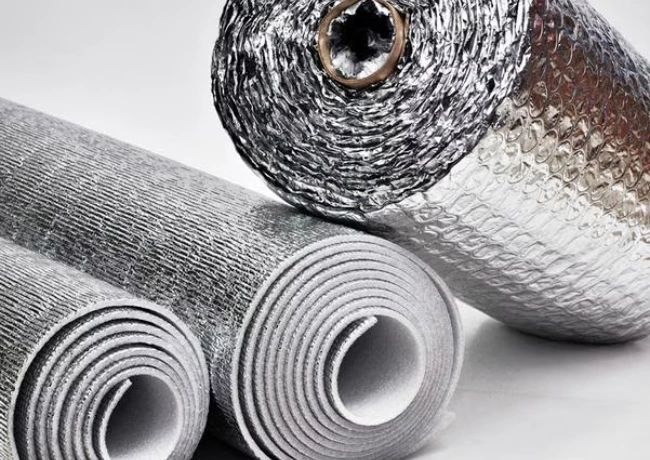
Share your roof and building details for an application-based product discussion.
DOCUMENTATION
Request Air Bubble Insulation Technical Documents
Project teams can request applicable product information for technical review, specification comparison and procurement. Document availability may vary according to the selected product variant.
Product Data Sheet
Request available information covering product construction, thicknesses, roll dimensions and applicable product properties.
Test Reports
Request available reflectivity, emissivity, fire-performance or other applicable test documentation for the selected variant.
Installation Guidance
Request available handling, joint-treatment and installation guidance for new-roof or under-deck applications.
Product Brochure
Request an overview of MaruCool Bubble, XLPE and Hybrid insulation products and application categories.
Document availability and test applicability may differ by thickness, construction and product variant. Confirm that any submitted document applies to the exact product being specified.
AVOID THESE MISTAKES
Common Mistakes with Reflective Bubble Insulation
Reflective insulation performance depends on product selection, assembly design and installation quality. Avoiding the following mistakes helps support a more consistent roof or wall insulation system.
01
Ignoring the Adjacent Air Space
Placing the reflective surface directly between solid layers without evaluating the complete assembly can reduce its intended radiant-barrier function.
02
Selecting Only by Thickness
A thicker product is not automatically the correct product. Bubble-layer construction, roof type, installation position and available air space also matter.
03
Crushing the Bubble Core
Excessive compression can reduce the trapped-air layer, damage the material and affect the intended assembly.
04
Leaving Joints Unsealed
Open seams, edges and penetrations can reduce insulation continuity and may contribute to air or moisture movement.
05
Using Unverified Performance Claims
Do not rely on generic R-values, fixed temperature reductions or energy-saving claims that are not based on the exact tested product and assembly.
06
Treating Every Roof the Same
New PEB roofs, existing metal sheds, poultry houses and commercial buildings may require different product and installation details.
Share your roof details before selecting a Bubble Insulation variant.
FREQUENTLY ASKED QUESTIONS
Air Bubble Insulation Sheet FAQs
Find answers to common questions about reflective bubble insulation, thickness selection, metal-roof installation, applications and technical documentation.
What is an air bubble insulation sheet?
An air bubble insulation sheet is a reflective thermal insulation material made from sealed polyethylene air bubbles laminated with aluminium foil. The reflective surface helps reduce radiant heat transfer, while the bubble core provides a lightweight trapped-air layer.
Is air bubble insulation the same as packaging bubble wrap?
No. Building-grade air bubble insulation uses reflective foil facings, defined bubble-layer configurations and application-specific product construction. Ordinary packaging bubble wrap is intended mainly for protecting goods during transportation.
How does aluminium bubble insulation work?
The aluminium surface helps reduce radiant heat transfer from a hot roof, while the sealed bubbles provide a trapped-air layer. Performance depends on the roof assembly, adjacent air space, seam treatment and installation quality.
Does reflective bubble insulation need an air gap?
A reflective surface normally needs to face an appropriate adjacent air space to perform its radiant-barrier function effectively. The exact arrangement depends on the roof and installation design.
What Bubble Insulation thicknesses does MaruCool offer?
The current MaruCool range includes 4 mm, 6 mm, 8 mm, 10 mm, 12 mm, 14 mm, 16 mm and 20 mm variants. Bubble-layer construction and roll length vary by product.
Which Bubble Insulation thickness is suitable for a metal roof?
There is no universal thickness for every metal roof. Selection depends on the building use, roof profile, installation position, climate, ventilation and available adjacent air space.
Can Bubble Insulation be installed under an existing roof?
Selected variants can be considered for under-deck installation beneath an existing metal roof. The structure, fixing method, adjacent air space, ventilation and electrical safety should be assessed first.
Is Air Bubble Insulation suitable for factories and warehouses?
It can be considered for factories, warehouses and industrial sheds where radiant roof heat is an important concern. Final performance depends on the complete roof construction and installation quality.
Can aluminium bubble insulation be used in poultry sheds?
It can help manage radiant heat entering through poultry-shed roofs. Insulation should be planned together with ventilation, stocking conditions, water systems, shed design and local climate.
Does Bubble Insulation stop condensation?
It can support condensation-control planning when used in a correctly designed and sealed assembly. It does not automatically eliminate condensation because humidity, air leakage, ventilation and thermal bridging also affect condensation.
Is MaruCool Bubble Insulation fire retardant?
Current MaruCool product information refers to fire-retardant performance and BS Part 6 and Part 7. The exact standard, classification and applicable product variant must be confirmed using the latest test report before specification.
What is the difference between Bubble Insulation and XLPE?
Bubble insulation combines reflective foil and trapped bubble layers to help control radiant heat. XLPE uses closed-cell foam to provide bulk resistance to conductive heat transfer. Hybrid insulation combines both approaches.
How can I get a quotation for Air Bubble Insulation Sheets?
MaruCool provides project-specific commercial quotations rather than publishing one standard rate. Share the required thickness or product variant, approximate quantity or roof area, application, delivery location, buyer category and required documentation so the team can prepare a relevant quotation.
How long does Air Bubble Insulation last?
Service life depends on installation quality, foil protection, physical exposure, roof leakage, damage and maintenance. Do not rely on a fixed lifespan unless it is supported by verified product documentation or warranty terms.
How can I request a MaruCool technical data sheet?
Use the project enquiry form and provide the building type, roof details, approximate area, city and preferred product thickness. MaruCool can then identify the relevant available product information and documentation.
Still unsure which insulation construction suits your roof? Share the application, roof type, approximate area and project location in the enquiry section below.
PROJECT ENQUIRY
Need the Right Bubble Insulation for Your Roof?
Share your building type, roof details and approximate area. MaruCool can help identify a suitable Bubble, XLPE or Hybrid insulation option for technical and commercial review.
Providing accurate project information helps the team review the application, available thickness options, installation method and required technical documents.
- Building and application type
- Roof material and installation position
- Approximate roof area
- Project city and climate
- Required product or technical documentation
Prefer to talk directly? Call +91 93549 32117 or email marucoolteam@mppigroup.co.in.
Request Insulation Details
Fill in the details below and our team will review your requirement.
Your details will be used only to respond to your product or project enquiry.